Physical Damp Course North Shore
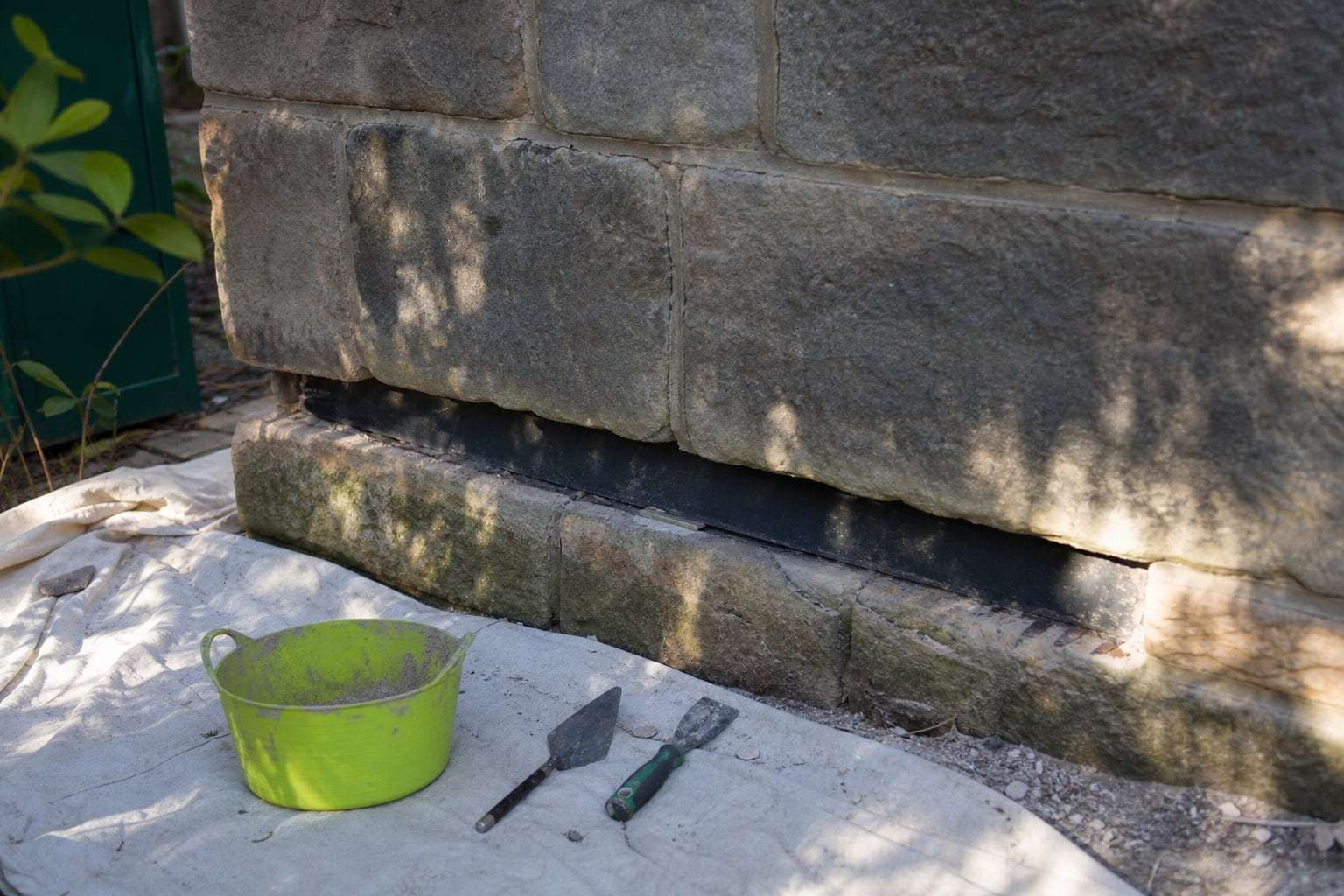
A continuous membrane slotted into the wall in short lengths, for masonry injection can't seal.
A physical damp course is a membrane slotted into the wall itself, rather than a cream soaked into the mortar. On the North Shore we use it on the houses where injection isn’t reliable: homes built on dressed sandstone footings, cottages with rubble foundations, and walls of early soft brick.
Where you find these walls
Sandstone is everywhere on the lower North Shore. Many of the older houses in Mosman, Cremorne, Neutral Bay, Wollstonecraft and Lane Cove sit on footings of local stone, and some have stone ground-floor walls. Further up the line, Federation houses in Gordon, Pymble and Wahroonga sometimes have sandstone bases under the brick. And a number of the earliest cottages have rubble foundations, a mix of rough stone and mortar with voids through it.
Injection struggles in all of these. A damp course injection relies on cream spreading evenly through a mortar joint, and stone, rubble and soft brick don’t allow that.
How we install it
We work along the wall in short lengths. Each length of the chosen joint is cut or raked out, a damp-proof membrane is fed in, and the slot is packed solid with mortar. Only when that length is fully packed do we open the next one, lapping the membrane well past the last joint so there’s no gap in the barrier.
Because only a small section is open at a time, the wall above stays supported throughout. That’s important on old masonry and on houses with heavy tiled roofs.
Height is planned carefully. The course has to sit below the inside floor and above the outside ground. On sloping blocks, which are common on the North Shore, that can mean stepping the course down along the wall.
On stone walls we repack with lime-based mortar. It’s softer and more breathable than cement, which suits sandstone and keeps any future movement in the joint rather than the stone.
Drying out stone
Sandstone holds a lot of water and gives it up slowly. Once the membrane is in, a stone wall can take many months to dry fully. We plan the finish with that in mind: damaged plaster or render comes off, and a breathable, salt-damaged plaster repair system goes on that lets the stone keep drying through the surface.
When brick needs a membrane too
Sometimes a brick wall gets a physical course instead of injection. That’s usually because the mortar has broken down so badly there’s no continuous joint to inject, because the wall has been injected before without success, or because the brick is very soft and absorbent.
The wider job
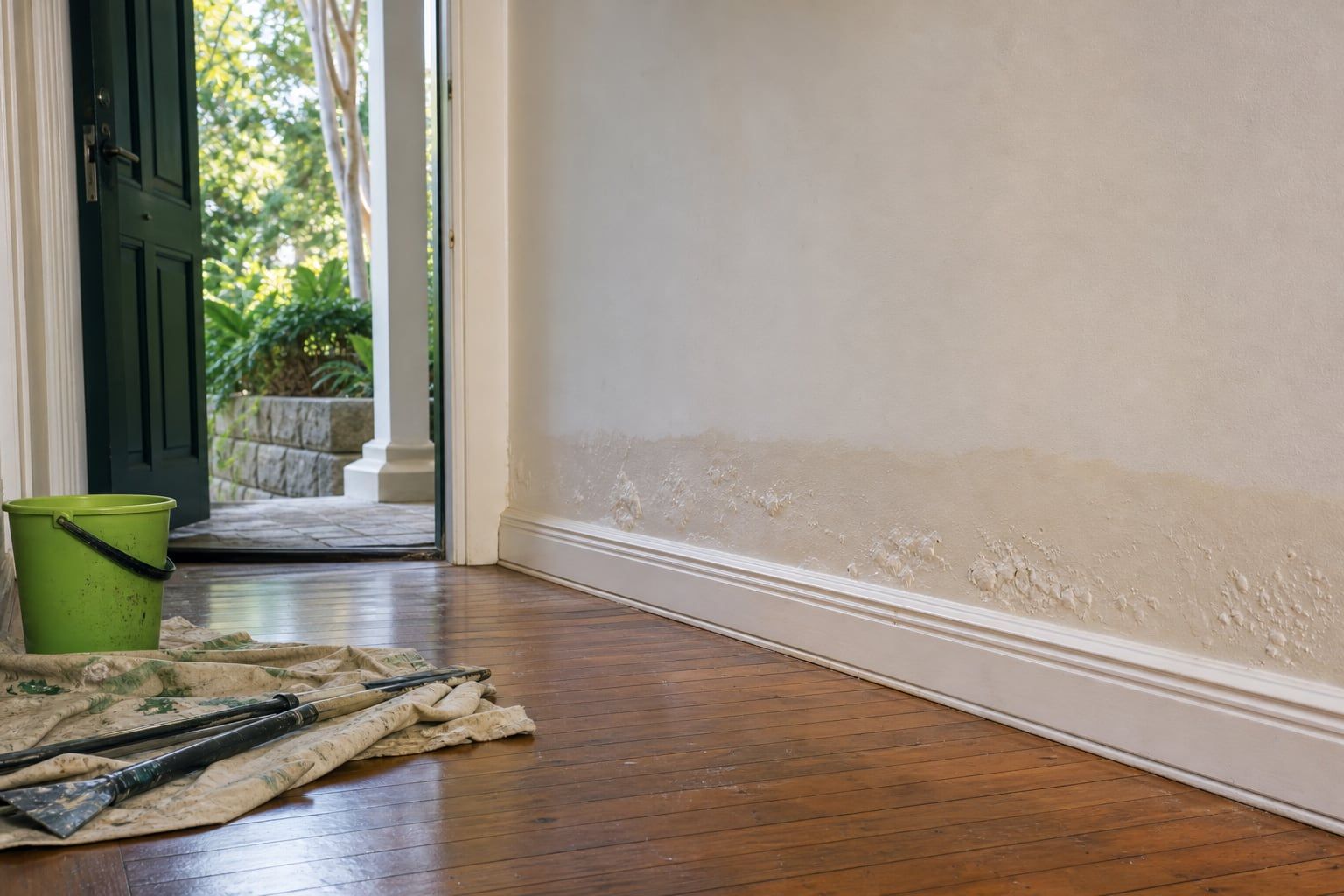
A new membrane stops water rising. It doesn’t stop water pressing in from the side where a lower room is cut into a slope or soil sits against the wall. On sloping North Shore blocks those walls often need waterproof tanking as well.
For how this fits into the full repair, see rising damp treatment. If your house is in a heritage conservation area, our guide to rising damp in heritage conservation areas explains why a membrane is often the preferred method.
Updated
What good physical damp course looks like
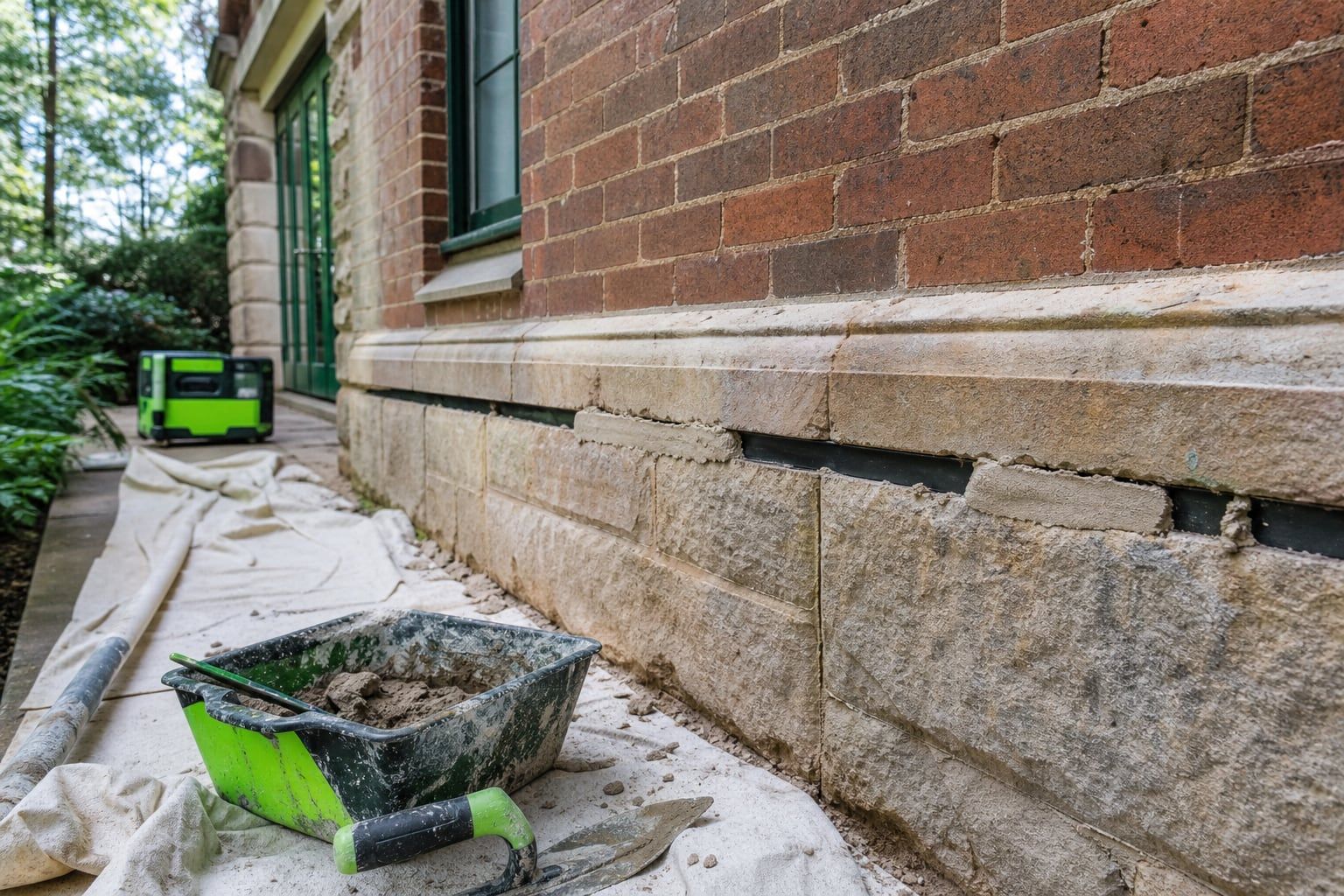
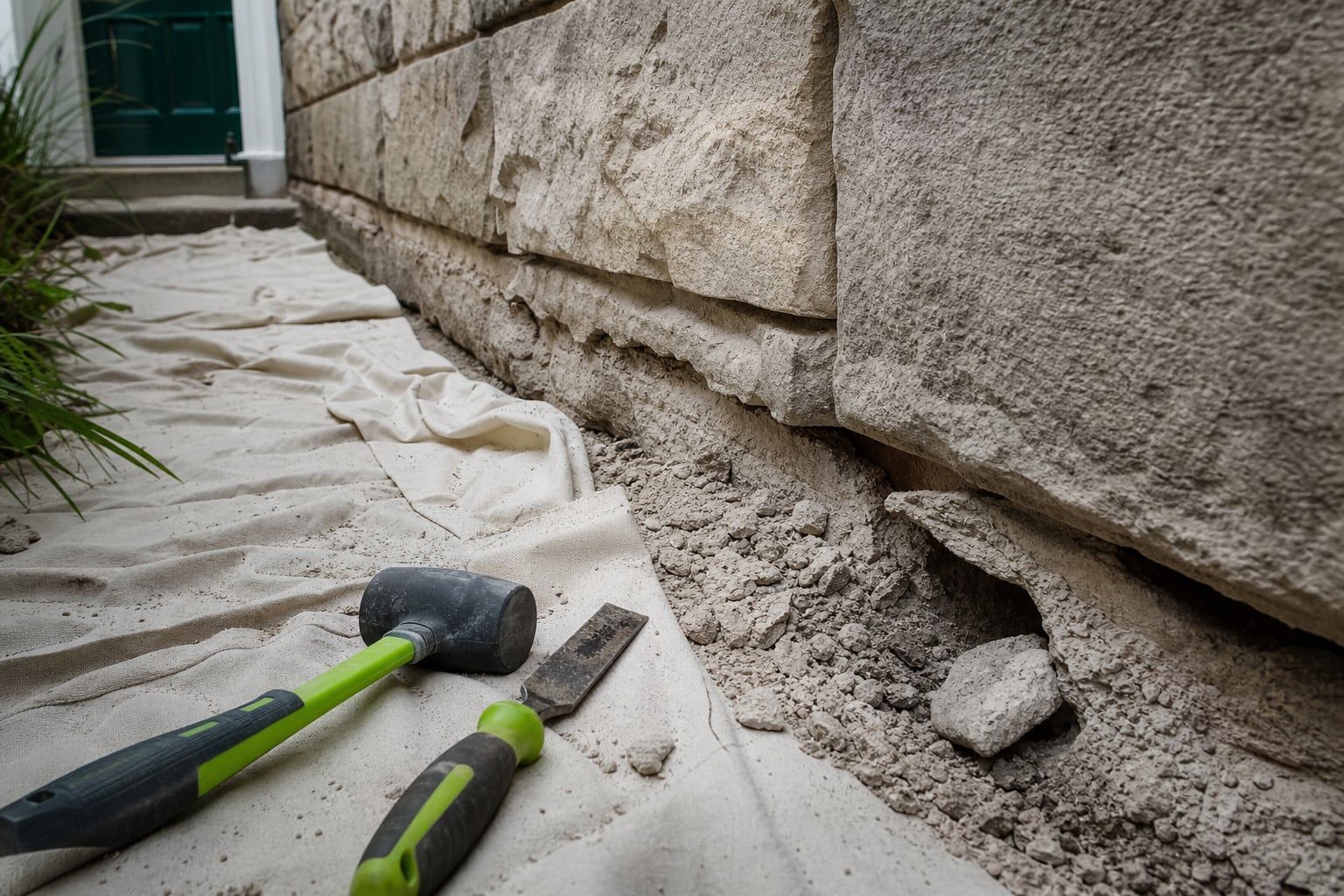
Physical Damp Course across the North Shore
Physical Damp Course on the North Shore: step by step
- Set the lineThe course height is set below the inside floor and above the outside ground, stepping where the block slopes.
- Open a short lengthA short section of joint is cut out, never enough at once to unsettle the wall above.
- Lay the membraneDamp-proof membrane goes in with generous laps at every join.
- RepackThe slot is packed tight with compatible mortar before the next length is opened.
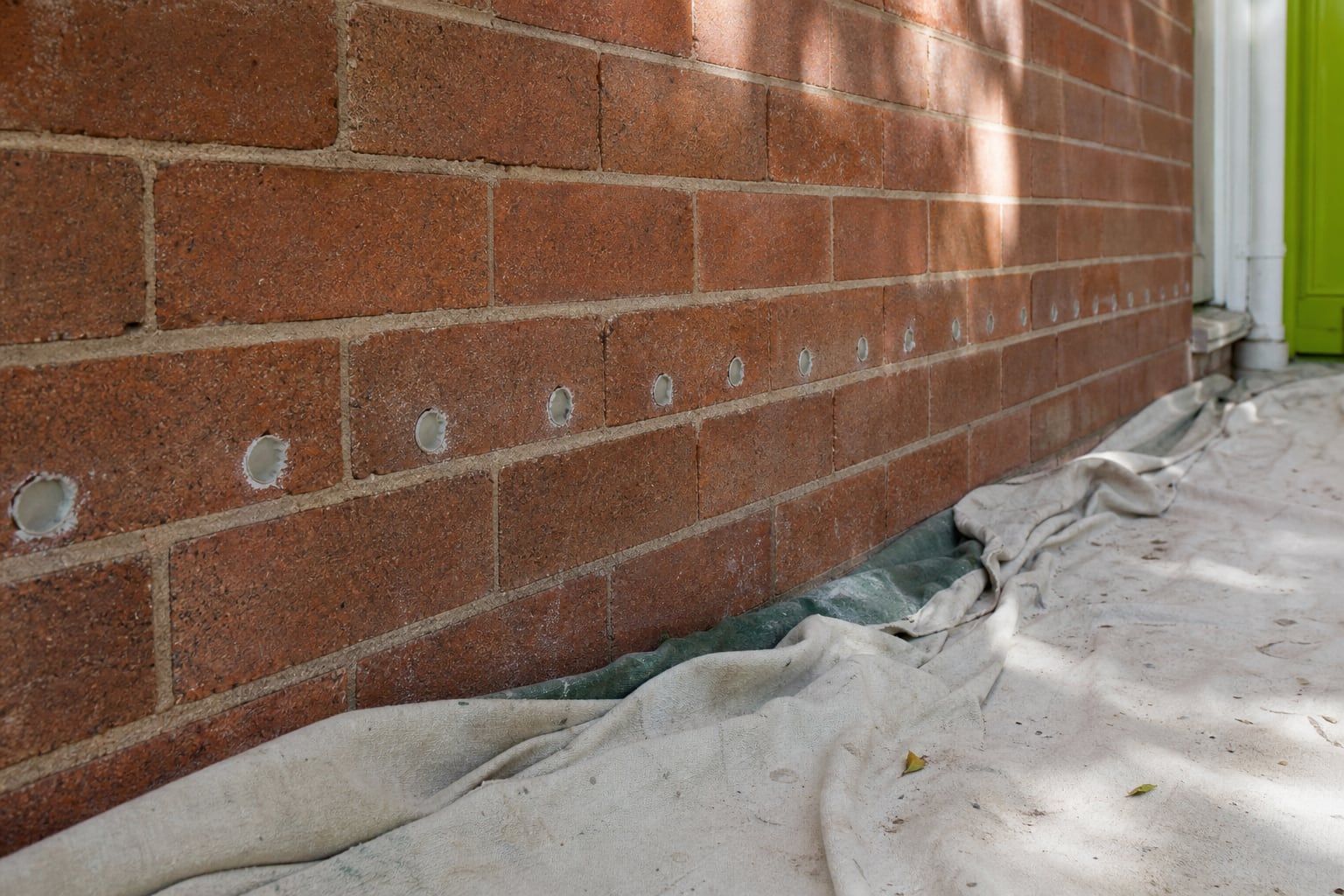
Physical Damp Course questions on the North Shore
Something else on your mind? Call and ask.
Why does stone need a membrane?
Sandstone and rubble don't absorb injected cream evenly. Some blocks drink it, others repel it, and voids let it run away, so the barrier ends up full of gaps. A membrane is continuous whatever the wall is made of.
Will cutting the wall cause cracks?
Not when it's done in short lengths. Only a small section is open at any time, and each one is packed solid before the next is cut, so the wall above stays fully supported.
What mortar do you use on old stone?
A lime-based mortar, which is softer than the stone. That way any future movement is taken by the joint rather than cracking the sandstone.