Damp guides for North Shore homeowners
These guides cover the damp problems we see most on the North Shore. They’re written to help you understand what’s going on in your house before you spend money on a fix.
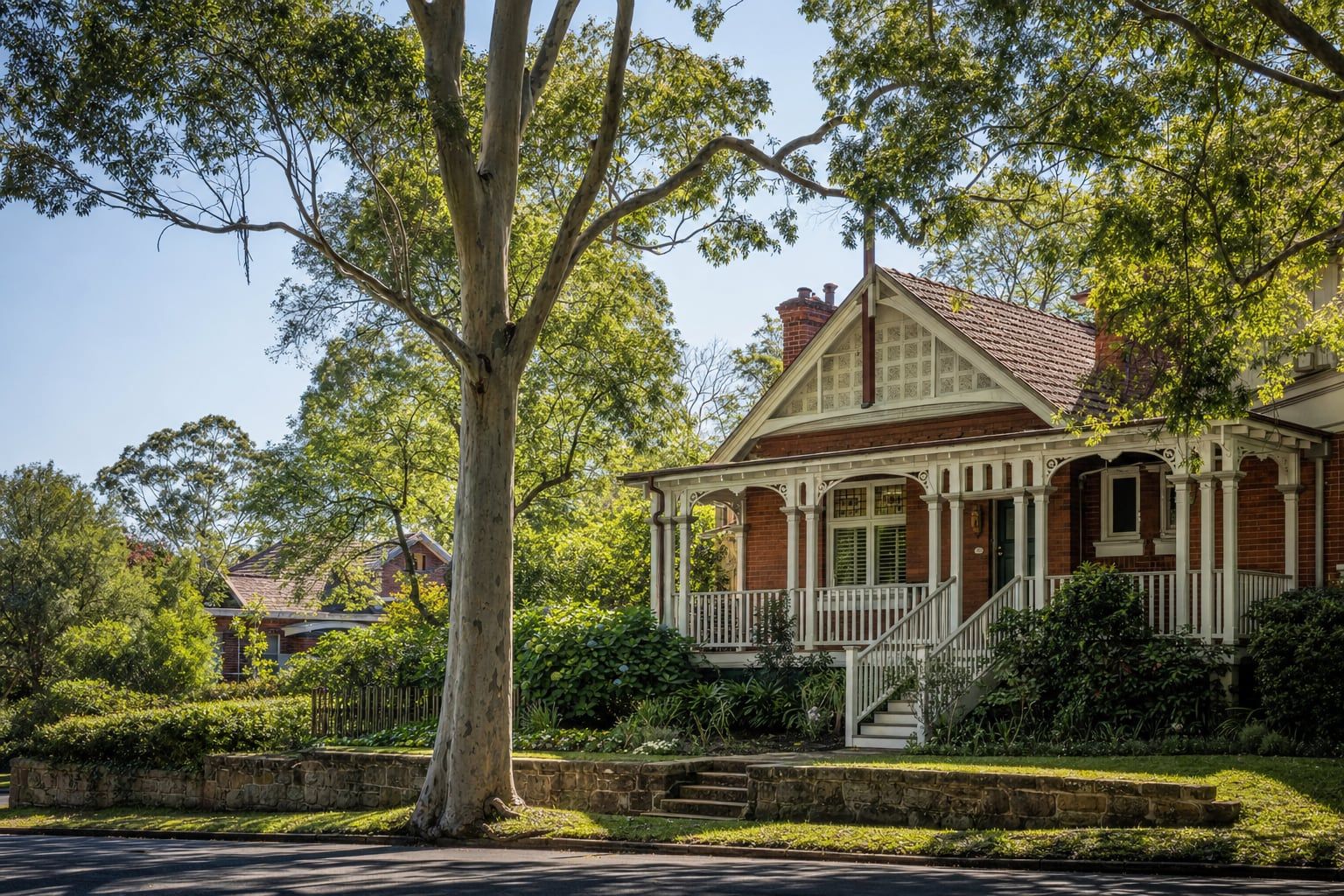
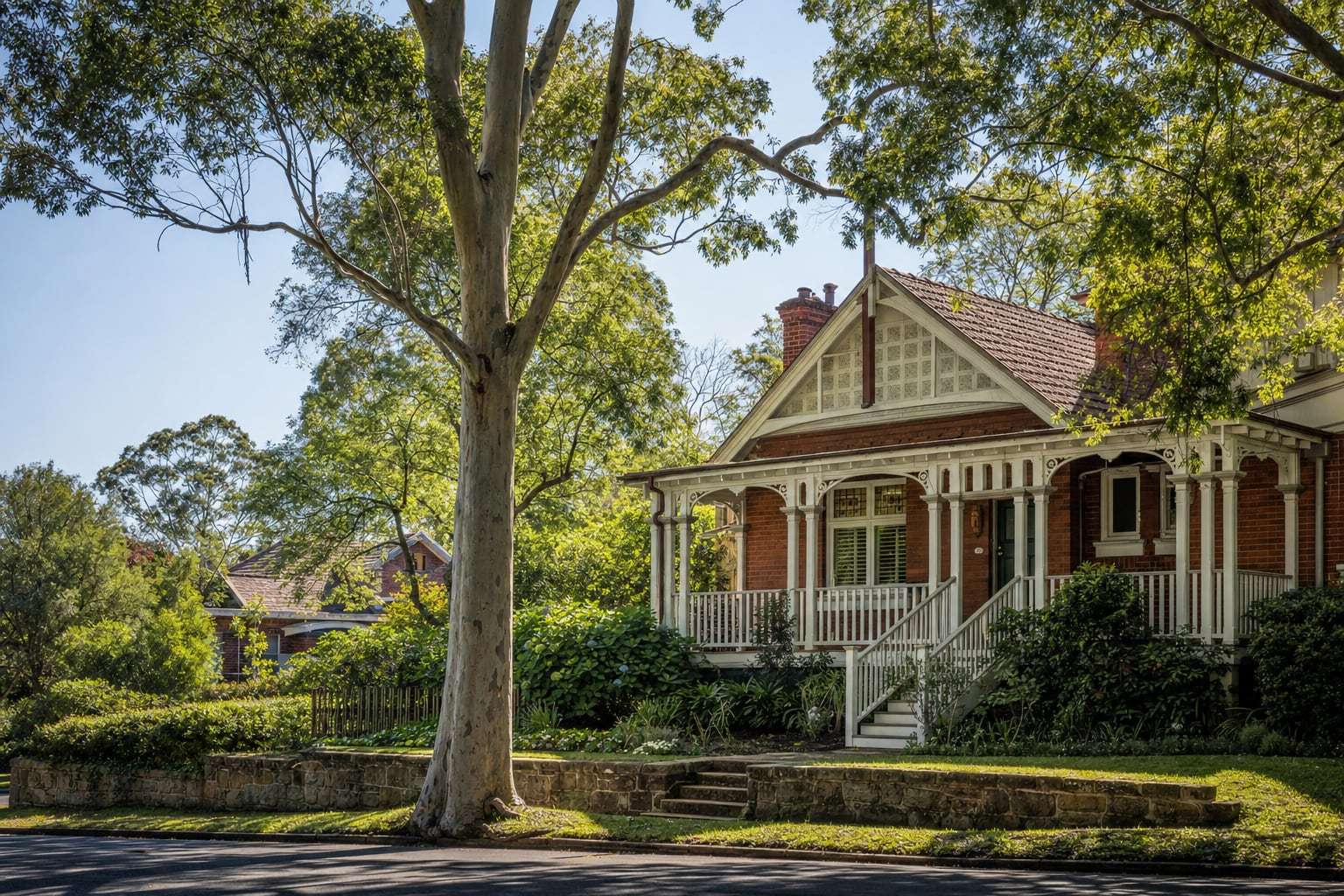
If you own an older house, start with damp in Federation homes. It explains how houses of that era were built to handle damp, what has changed since, and how to repair old brickwork without harming it.
If your block sits under heavy tree cover, read shady blocks and damp walls. Shade, leaf litter, roots and slope can keep walls damp even with a working damp course.
And if your house is in a conservation area or heritage listed, rising damp in heritage conservation areas covers the methods that suit original fabric and what to ask council.
Common questions
Why is only one side of the house damp? Will a damp course work on sandstone? Can tuckpointed brick be injected without spoiling it? The guides answer these and more.
Written from real jobs
Each guide comes from what we see on North Shore surveys: the ridge clay, the sandstone gullies, the canopy and the age of the houses. They’re updated as homeowners raise new questions.
Before you act
No guide replaces a survey of your walls. The same blistered paint can come from rising damp, a broken pipe or a shady wall that never dries. Read our page on rising damp symptoms, then get the walls measured. Our rising damp treatment page explains what happens next.
Guides for North Shore homeowners
- Damp in Federation homes: looking after old North Shore brickworkWhy century-old North Shore houses get damp walls, what changed since they were built, and how to repair them without harming original fabric.
- Shady blocks and damp walls: why tree-covered North Shore homes stay wetHow heavy tree cover, leaf litter, roots and slope keep North Shore walls damp, and what you can do about each one.
- Rising damp in heritage conservation areas: a guide for North Shore ownersWhat to think about when treating damp in a North Shore house in a conservation area or on a heritage list, and which methods respect the original building.