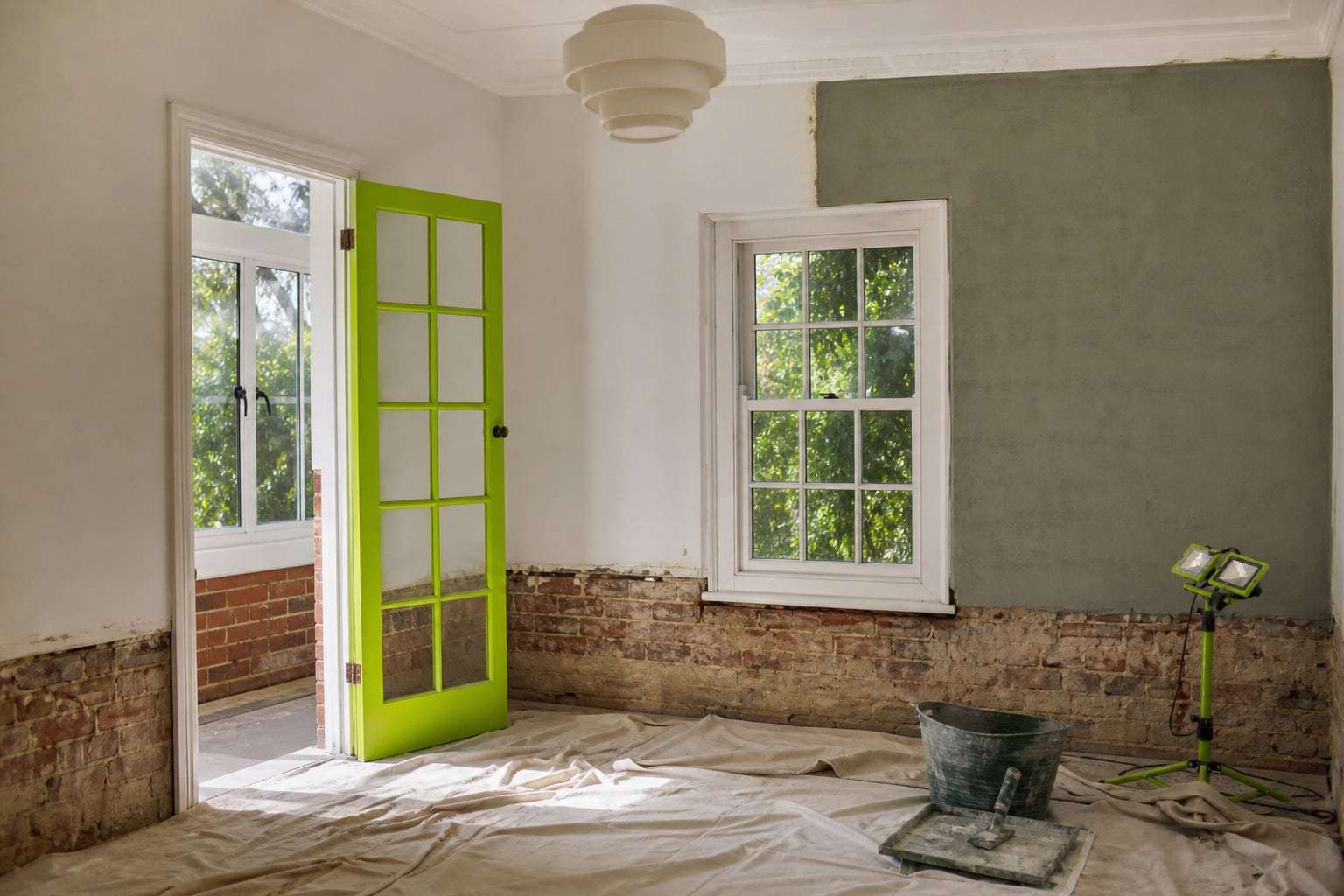
Salt-Damaged Plaster Repair North Shore
Remove the plaster the salt has broken down, and finish the wall with a render made for it.
Salt-damaged plaster repair is what turns a treated wall back into a finished one. When water has been rising through a brick wall for years, it carries dissolved salts with it. As the water evaporates from the face of the wall, those salts are left behind in the plaster. They stay there even after the water has been stopped.
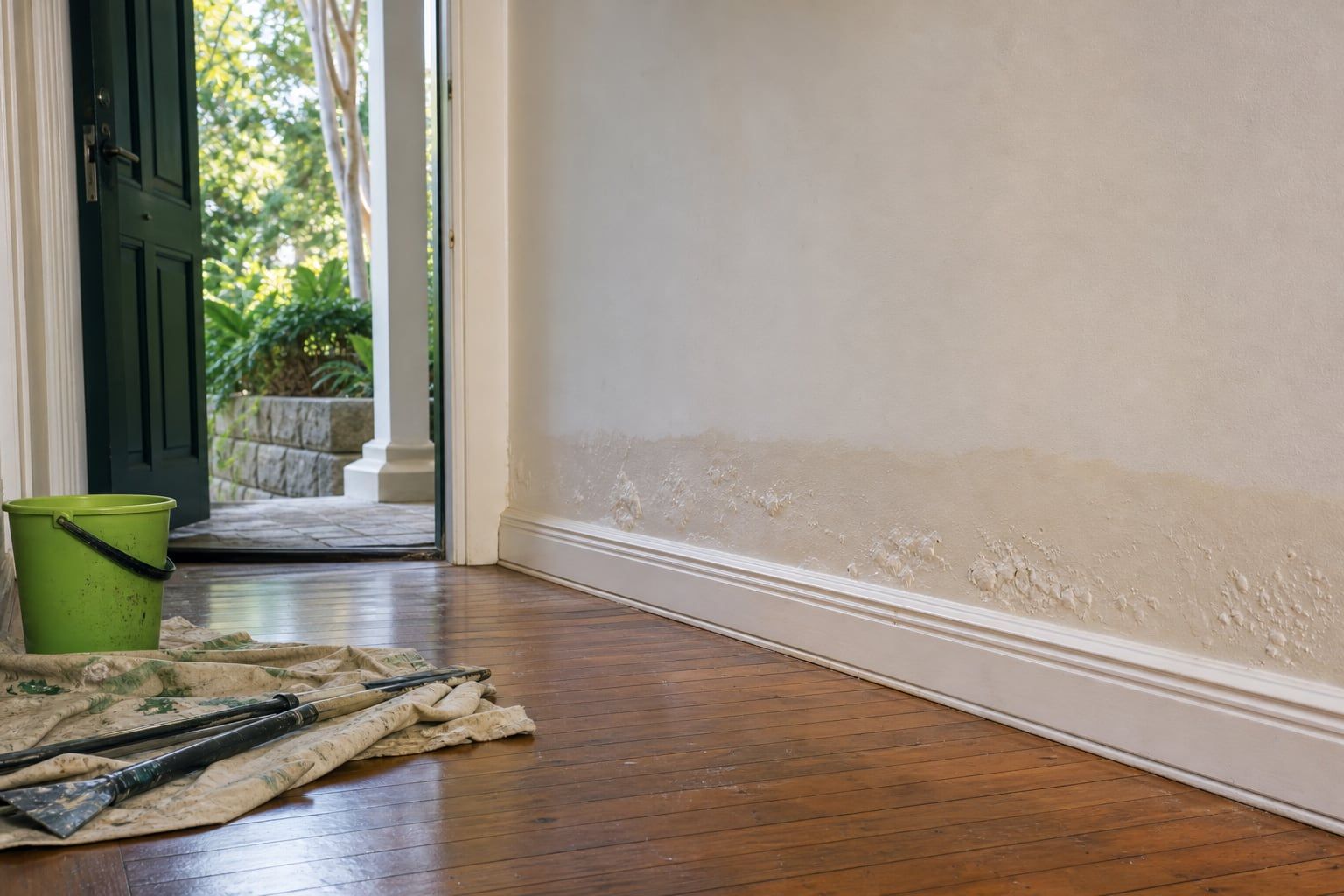
Salt in plaster attracts moisture from the air. On humid days the wall goes damp, the salt dissolves; on dry days it crystallises again and expands. That cycle is what breaks plaster down, lifts paint and rots skirtings. It’s also why a damp course on its own doesn’t fix the look of the wall.
Signs of salt damage
The common signs are paint blistering or bubbling near the floor, a white powdery or fluffy deposit on the wall, plaster that crumbles or sounds hollow when tapped, a brownish tide mark, and skirtings that are soft or rotten behind the paint. In older North Shore homes with original lime plaster, the damage can look like plaster turning to sand.
Our page on symptoms of rising damp shows each of these and what usually causes them.
How we repair it
The salt usually travels higher than the visible damage, so we test above the tide mark before marking the strip line. All the salt-loaded plaster comes off, back to sound brick, cut in a clean line above the highest contaminated point.
The bare wall then dries. How long that takes depends on the wall: a single skin internal wall dries far faster than a thick double brick external wall or a stone base. We don’t render over a wall that’s still too wet.
The new finish is a salt-tolerant render system. It’s breathable, so the wall keeps drying through it, and it’s designed to hold remaining salt within the render rather than letting it reach the paint. It’s finished smooth or to match existing texture, ready for decorating.
Looking after period interiors
Many of the houses we work in have original features: deep skirtings, picture rails, ornate cornices, timber architraves and fireplaces. We protect those during the work and cut the plaster line to avoid them wherever possible. Skirtings that have rotted are replaced with profiles to match. Where a house still has lime plaster, we can use lime-compatible finishes so the repair behaves like the original.
Our guide on damp in Federation homes covers older interiors in more detail.
Always after the cause
Plaster repair is the last step. It follows whatever stopped the water: a damp course injection, a cut-in damp course, drainage, tanking or better airflow underneath. Render applied before the cause is fixed will fail the same way the old plaster did.
Every rising damp treatment quote we write includes the plaster repair, so the price covers a finished wall.
Updated
What good salt-damaged plaster repair looks like
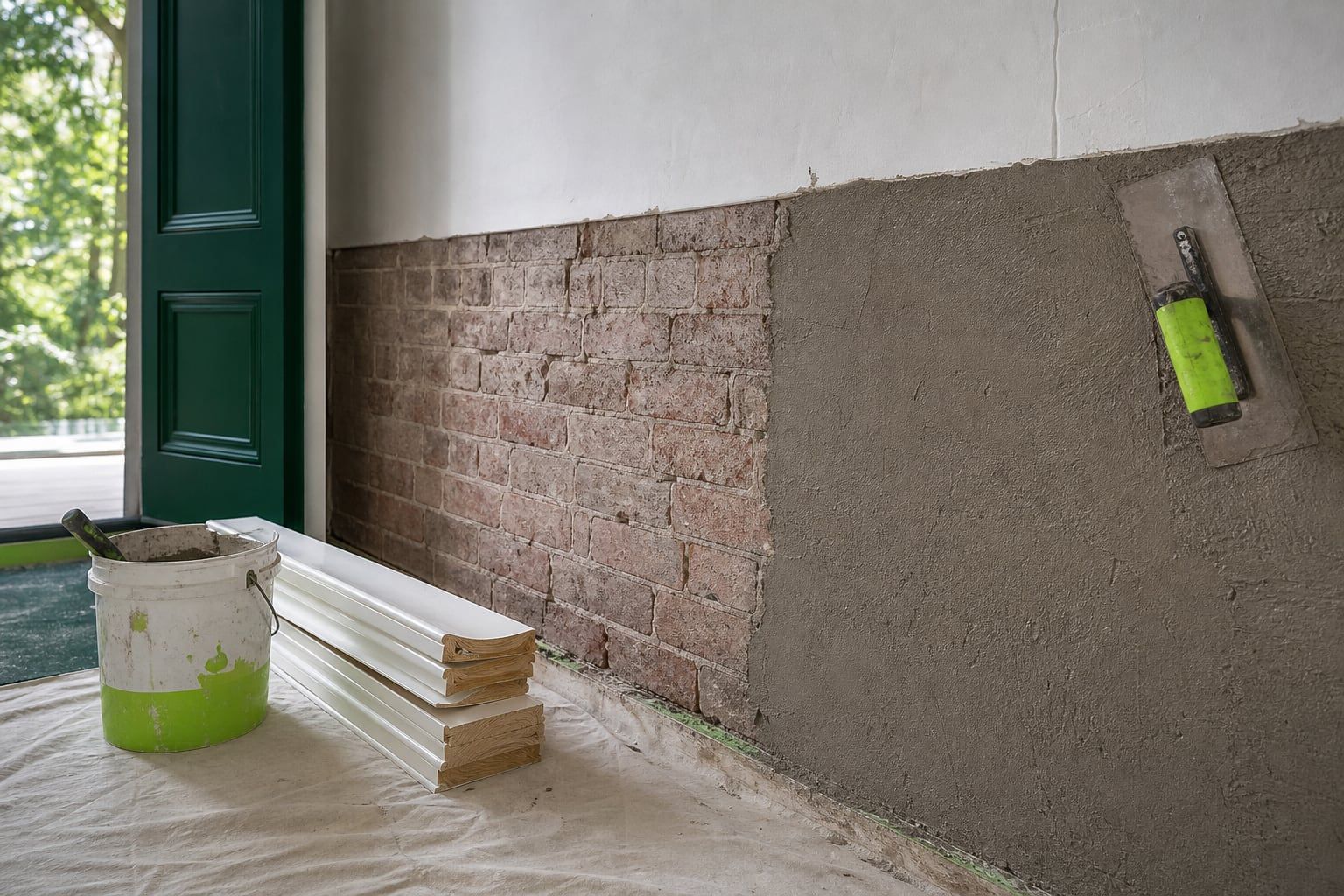
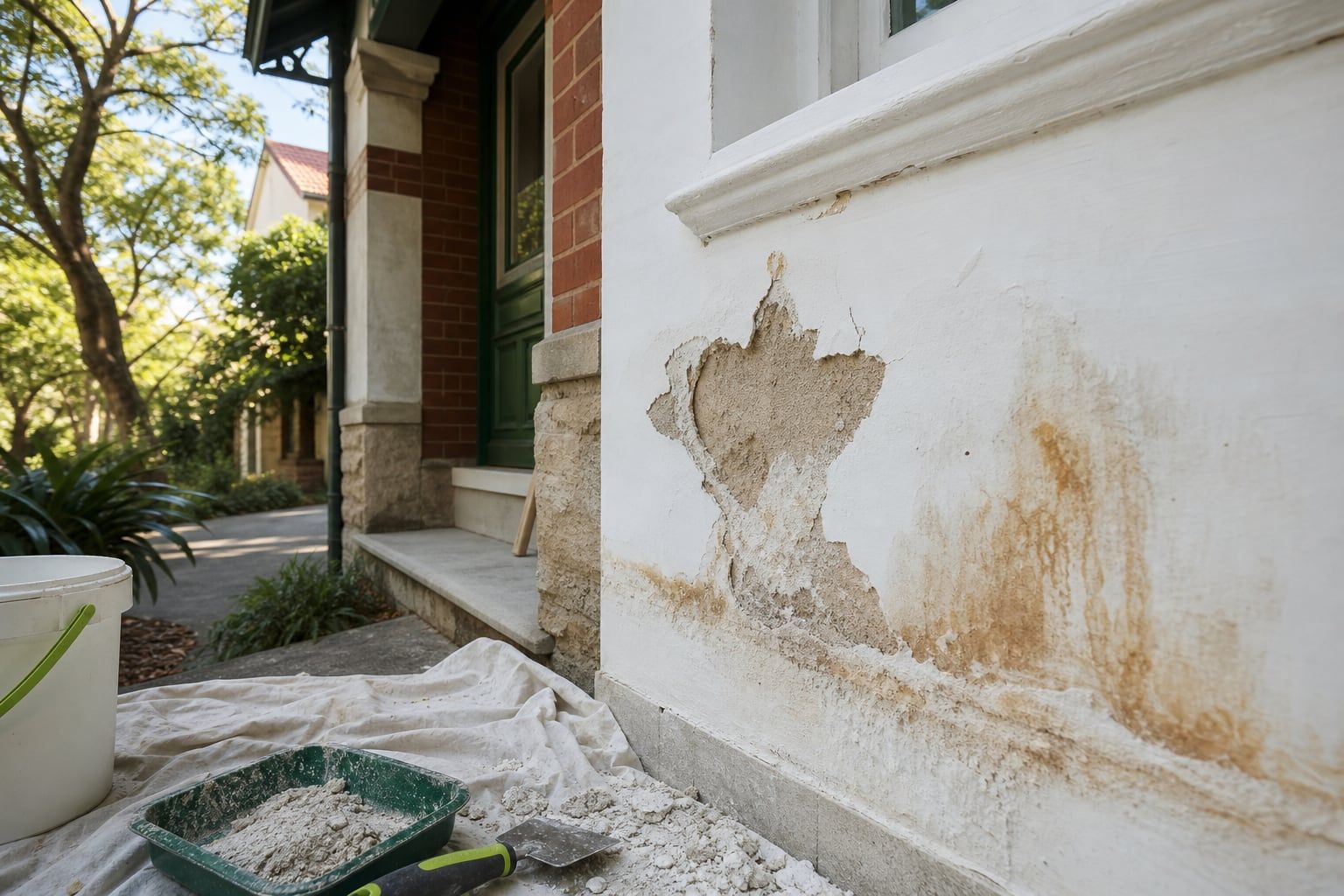
Salt-Damaged Plaster Repair across the North Shore
Salt-Damaged Plaster Repair on the North Shore: step by step
- Map the saltWe test above and along the damaged area to find how far the salt has actually gone.
- StripPlaster is removed back to brick, past the highest point of contamination.
- DryThe wall is left to dry for a period that suits its thickness and material.
- Render and setA breathable, salt-tolerant render goes on, finished smooth and ready for paint.
Salt-Damaged Plaster Repair guides for North Shore homeowners
- Damp in Federation homes: looking after old North Shore brickworkWhy century-old North Shore houses get damp walls, what changed since they were built, and how to repair them without harming original fabric.
- Rising damp in heritage conservation areas: a guide for North Shore ownersWhat to think about when treating damp in a North Shore house in a conservation area or on a heritage list, and which methods respect the original building.
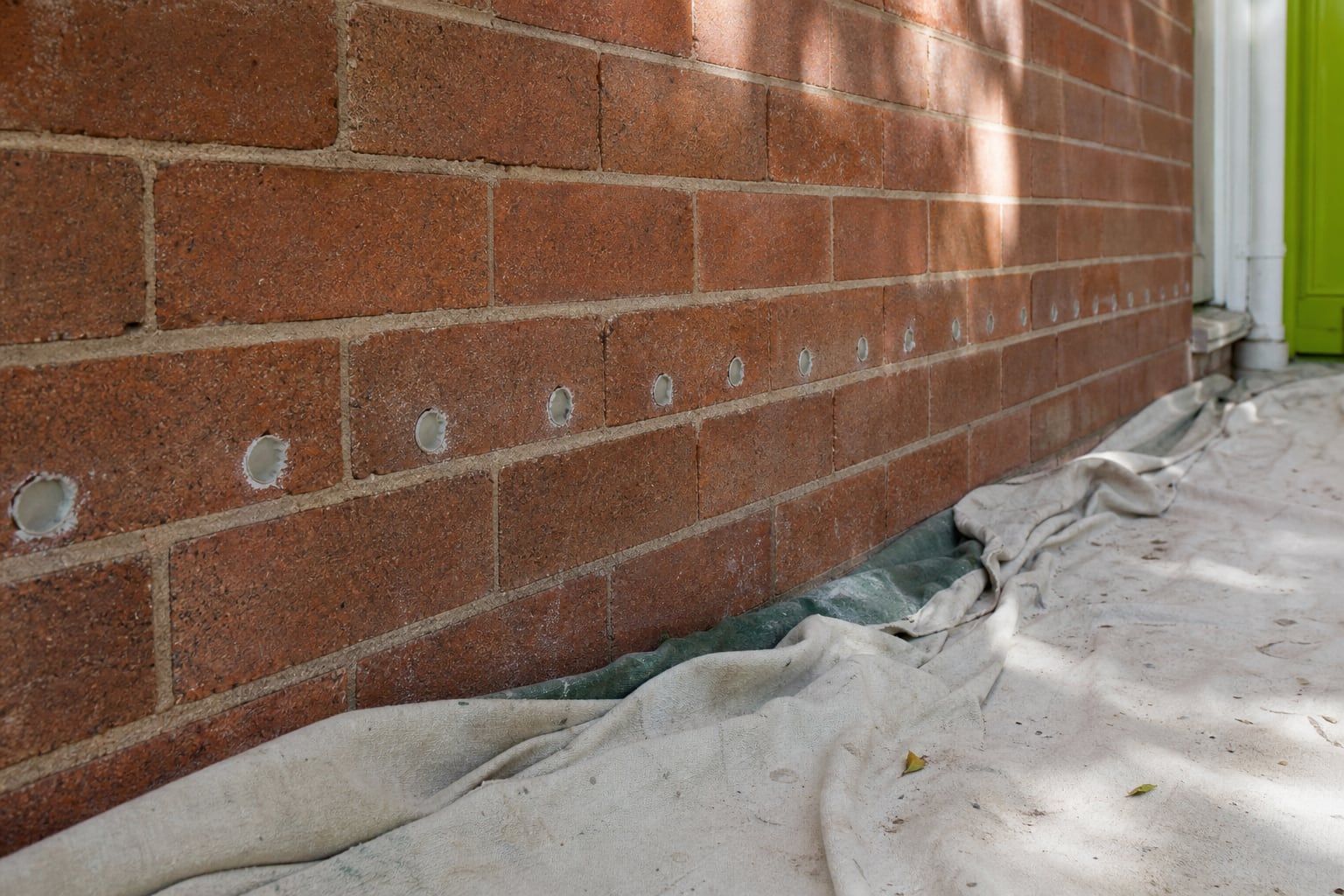
Salt-Damaged Plaster Repair questions on the North Shore
Something else on your mind? Call and ask.
Why does the paint keep blistering after I repaint?
The salt in the plaster draws moisture out of the air and crystallises under the paint. Repainting covers it for a while, but the blisters come back until the salty plaster is removed.
Will you damage my cornices or picture rails?
We protect period details and cut the plaster line below them where we can. Where salt has reached a moulding, we'll tell you before starting and discuss repair or replacement.
Can I use ordinary plaster afterwards?
Not on a wall that had rising damp. Ordinary gypsum plaster absorbs salt and moisture and fails again. A salt-tolerant render is designed for walls that are still drying out.