Rising Damp Treatment North Shore
We survey the walls, find what is feeding them, and fix it in the order that keeps the repair lasting.
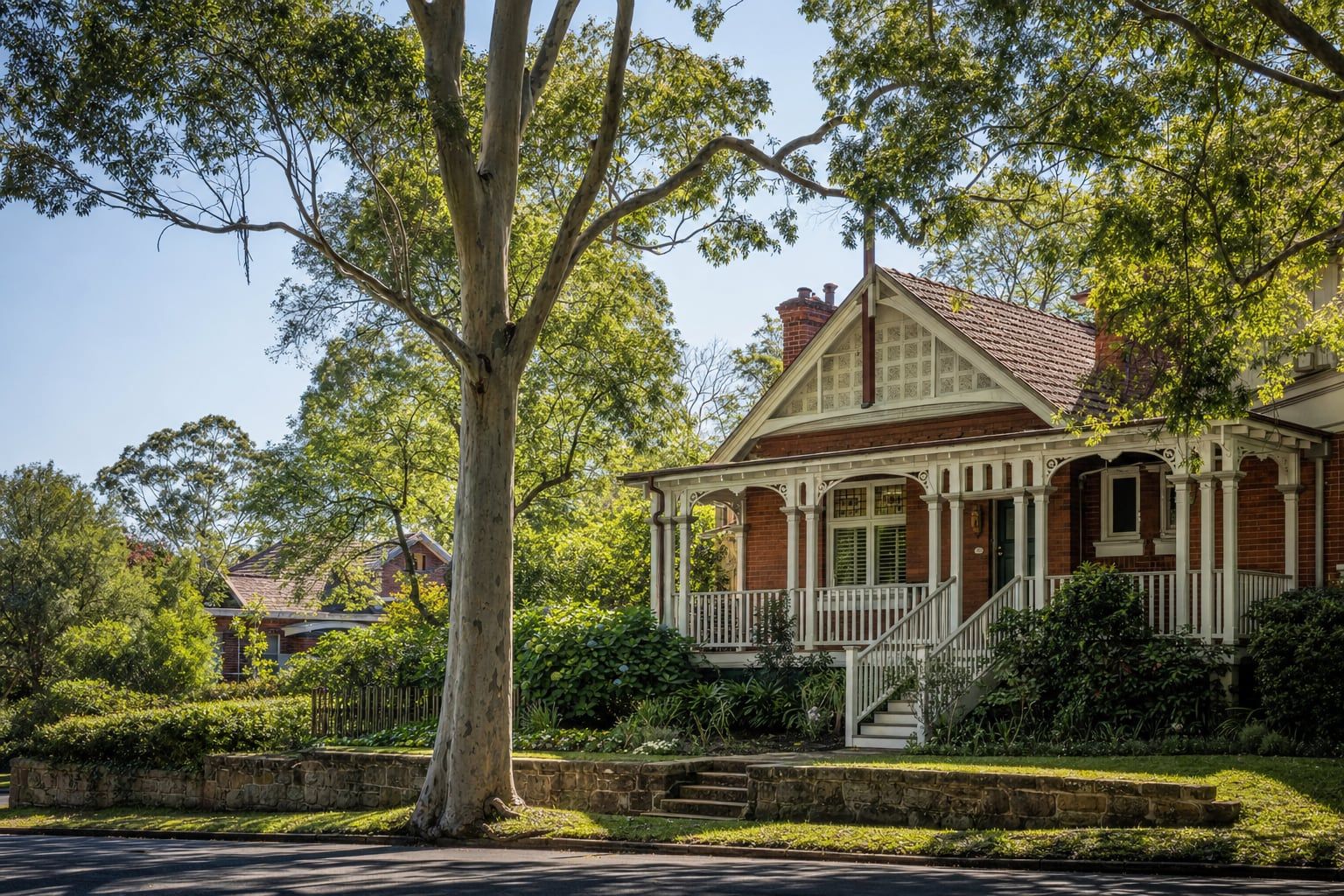
Rising damp treatment on the North Shore usually means working on houses that were built well but built a long time ago. The Federation and inter-war homes of Killara, Lindfield, Roseville, Wahroonga and Mosman have solid double brick walls, often on sandstone footings, and many still rely on their original damp-proof course. After a hundred years, that course has often failed, and the walls have been drawing water up from the clay below.
How we work out what’s wrong
We start with a moisture survey. Readings go in a grid across each damp wall, low and higher up, so we can see the shape of the wet area rather than a single number. We test the plaster for salts, because that tells us how long the water has been there and where it has been evaporating.
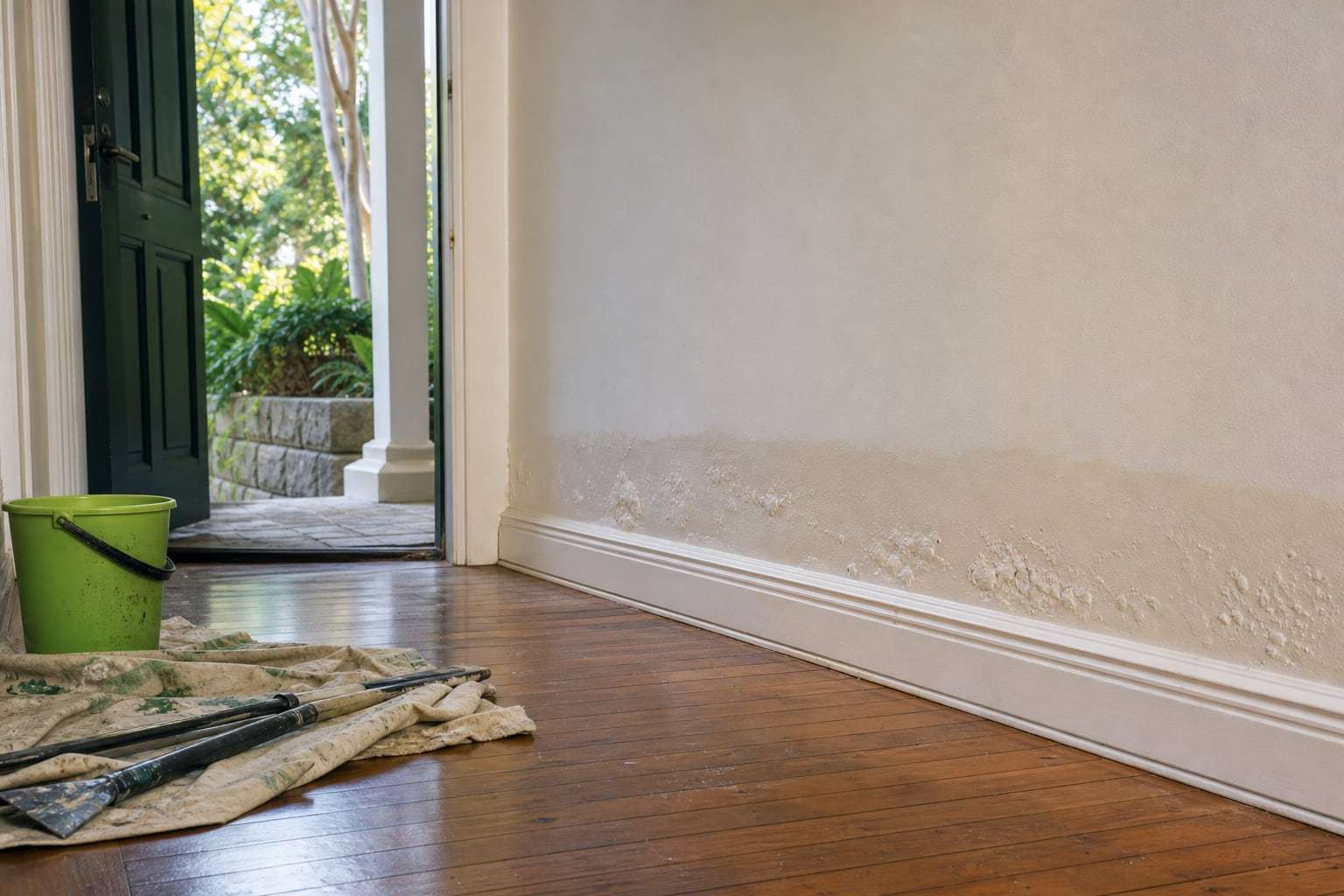
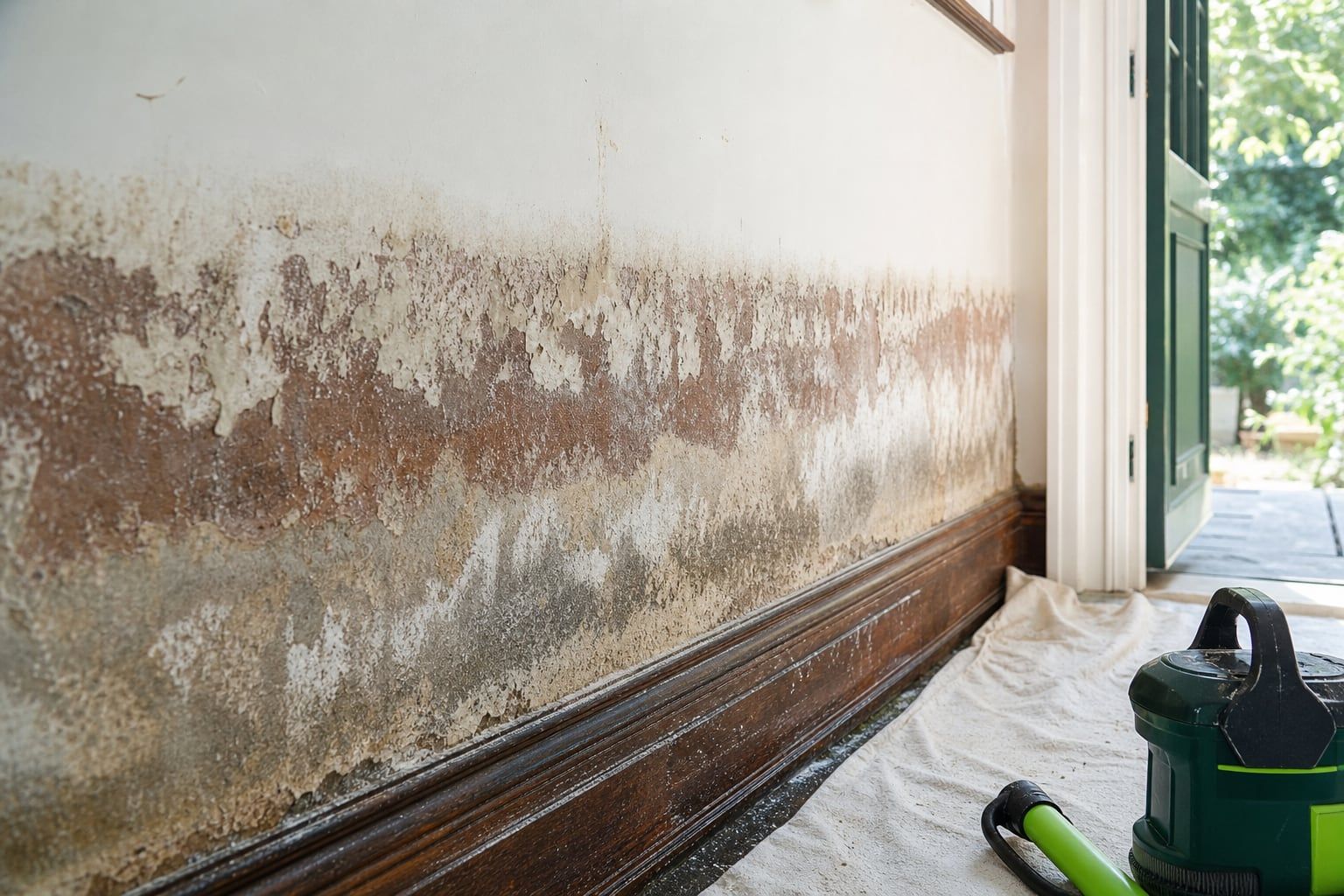
Rising damp has a recognisable shape: wettest at the base, drying out below about a metre, roughly level along the wall, and present whether it has rained or not. If the survey shows something else, such as a patch high on one wall, damp worse on the side facing the garden, or readings that jump after rain, we look for the other cause.
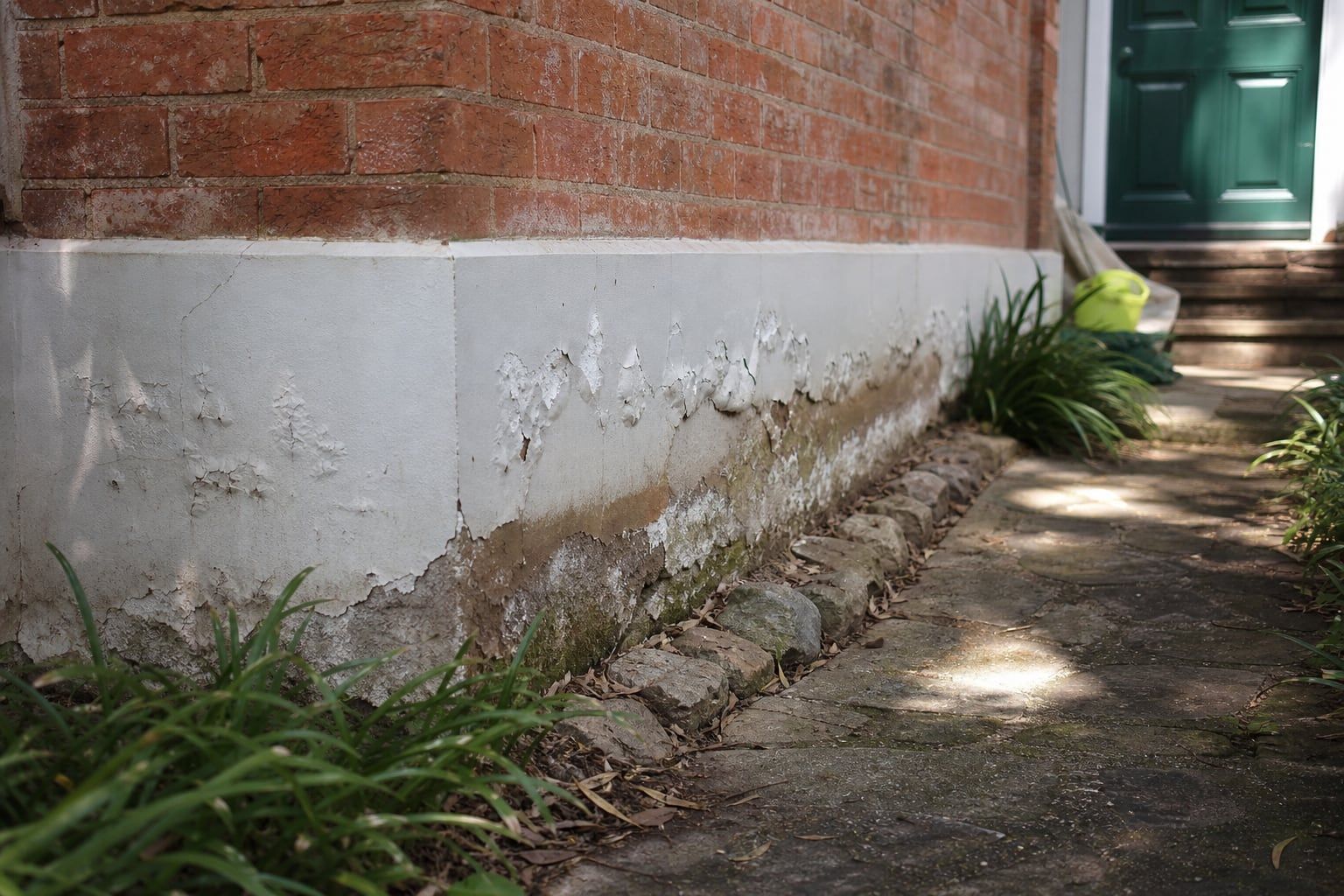
Then we go outside. On a North Shore block that means checking garden beds and lawns against the walls, paths that have been laid higher than the old course, downpipes and drains blocked by leaf litter or broken by roots, and the subfloor, where many houses have damp soil and little airflow.
The repairs
Depending on the survey, the plan may include:
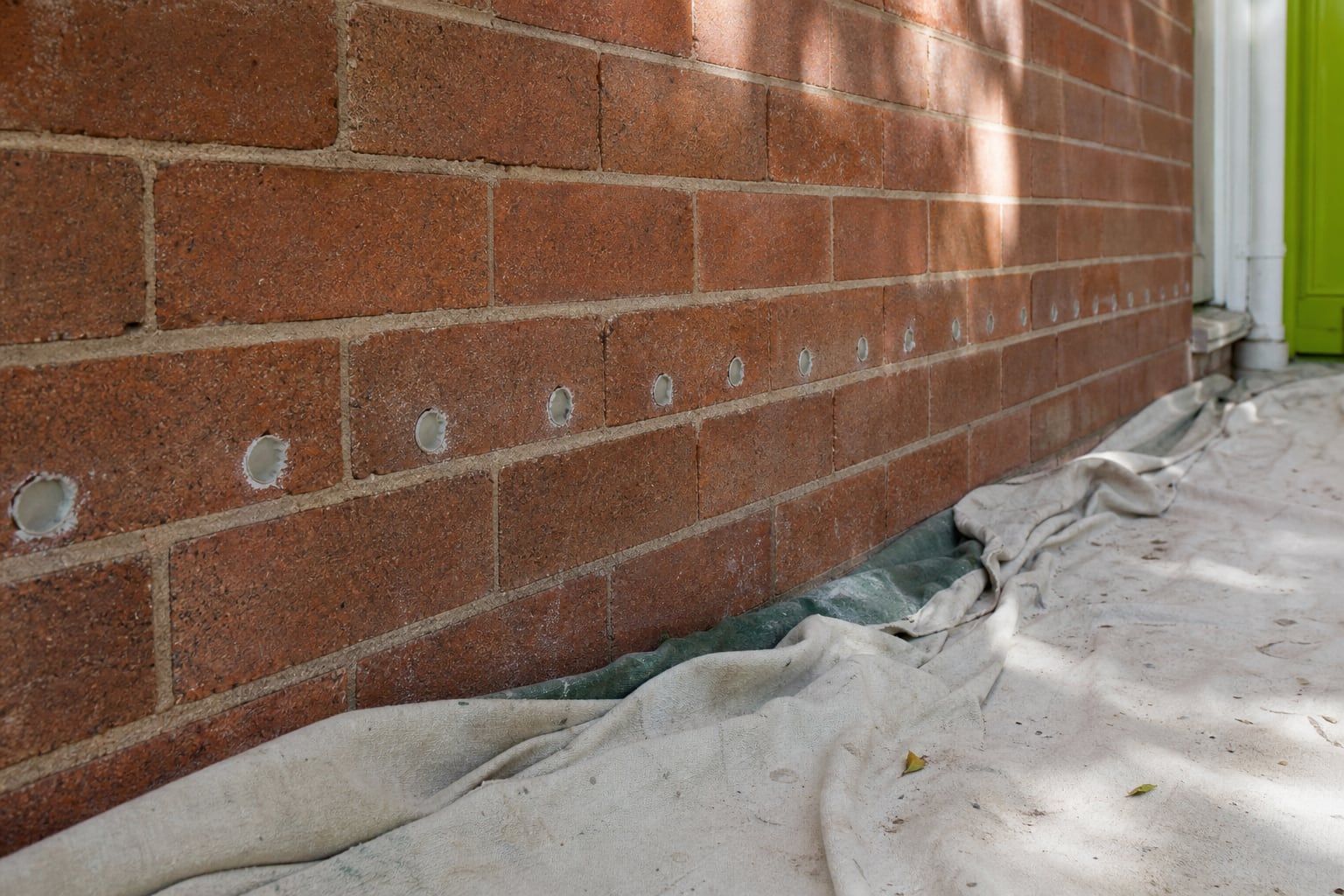
- A chemical damp course injected into the mortar of brick walls.
- A physical damp course where walls sit on sandstone or the brick is too soft to take injection.
- Underfloor ventilation for houses with a damp, still crawl space.
- Damp wall drainage where soil or paving sits against the wall or a lower room is cut into the slope.
- Damp plaster repairs once the water has been stopped.
Why the North Shore gets rising damp
The ridge suburbs from Chatswood to Hornsby sit on shale-derived clay. Clay holds water and releases it slowly, so the ground under a house stays damp long after rain. The gullies and the lower North Shore around Lane Cove, Wollstonecraft and Cammeray sit on sandstone, where water runs along the rock and pools against footings on sloping blocks.
Add heavy tree cover. The canopy that makes these suburbs so attractive keeps walls shaded and slow to dry, fills gutters with leaves, and sends roots into old terracotta stormwater pipes. A cracked pipe beside a wall can soak the ground there for years without anyone noticing.
Our guide to shady blocks and damp walls looks at that in detail.
The finished wall
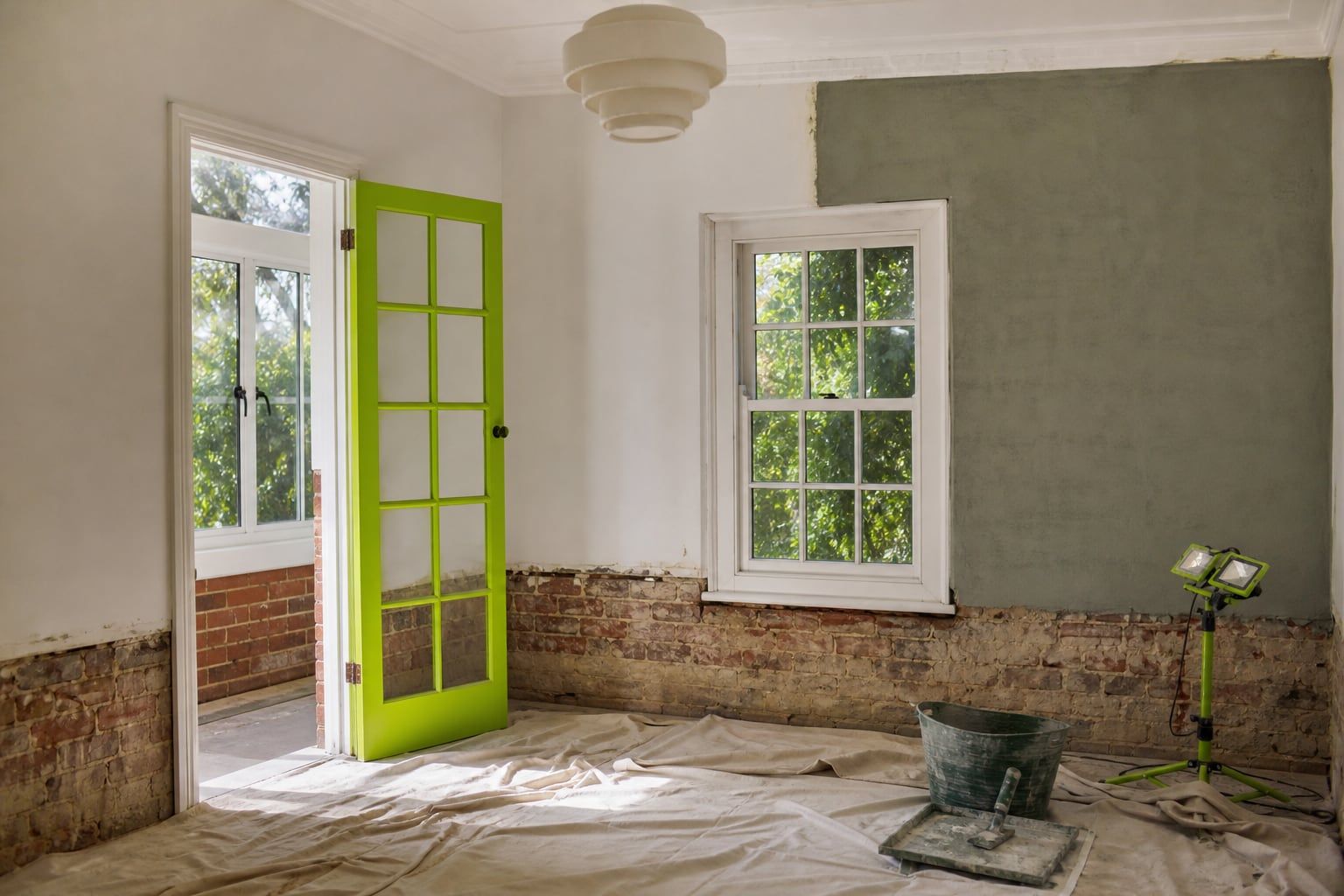
Once the water source is dealt with, the salt-loaded plaster comes off, back past the highest point the salt has reached. The bare brick is given time to dry. Then a salt-tolerant render goes back on, finished to suit the room, and rotted skirtings are replaced.
On older houses we’re careful with original features: cornices, picture rails, tuckpointed face brick and timber joinery are protected or worked around. Our guide to damp in Federation homes explains how we approach older brickwork.
Not sure whether you have rising damp? Our page on rising damp symptoms shows the common signs and what else can cause them.
Updated
What good rising damp treatment looks like
Rising Damp Treatment across the North Shore
Rising Damp Treatment on the North Shore: step by step
- SurveyMoisture readings in a grid across each damp wall, plus a salt test on the plaster.
- Look around the houseGarden beds, paths, downpipes, tree roots and the subfloor are checked for anything wetting the walls.
- Repair the barrierA new damp-proof course goes in, and drainage or airflow is corrected where it contributes.
- ReplasterSalt-damaged plaster is removed and a salt-tolerant render applied once the wall can take it.
Rising Damp Treatment guides for North Shore homeowners
- Damp in Federation homes: looking after old North Shore brickworkWhy century-old North Shore houses get damp walls, what changed since they were built, and how to repair them without harming original fabric.
- Shady blocks and damp walls: why tree-covered North Shore homes stay wetHow heavy tree cover, leaf litter, roots and slope keep North Shore walls damp, and what you can do about each one.
Rising Damp Treatment questions on the North Shore
Something else on your mind? Call and ask.
My house has a damp course already. Why is it damp?
Most Federation and inter-war houses on the North Shore were built with slate, bitumen or tarred felt courses that have cracked or broken down after a century. Others are intact but have been bridged by garden beds, paths or render taken down over them.
Do the big trees on my block make it worse?
They can. Heavy shade slows drying, leaf litter blocks gutters and drains, and roots can damage stormwater pipes so water soaks into the ground beside the house. We check all of those during the survey.
Can you treat a heritage-listed house?
Yes. We use methods that keep original brick and stone and finishes that let the wall breathe. If your house is in a conservation area or listed, check with council whether the work needs approval; we can give you a written method statement to support that.