North Shore Rising Damp
Blistered paint along the skirtings, or a front room that always smells musty? Book a moisture survey and get a written quote from a North Shore damp proofing team.
Century-old damp courses, clay ground, heavy shade and leaf-choked gutters all keep North Shore walls wet. We survey which of them is at work in your house, repair it, and put back a wall you can paint.
How a North Shore damp repair runs
- Moisture surveyReadings in a grid across each damp wall, and a salt test on the plaster.
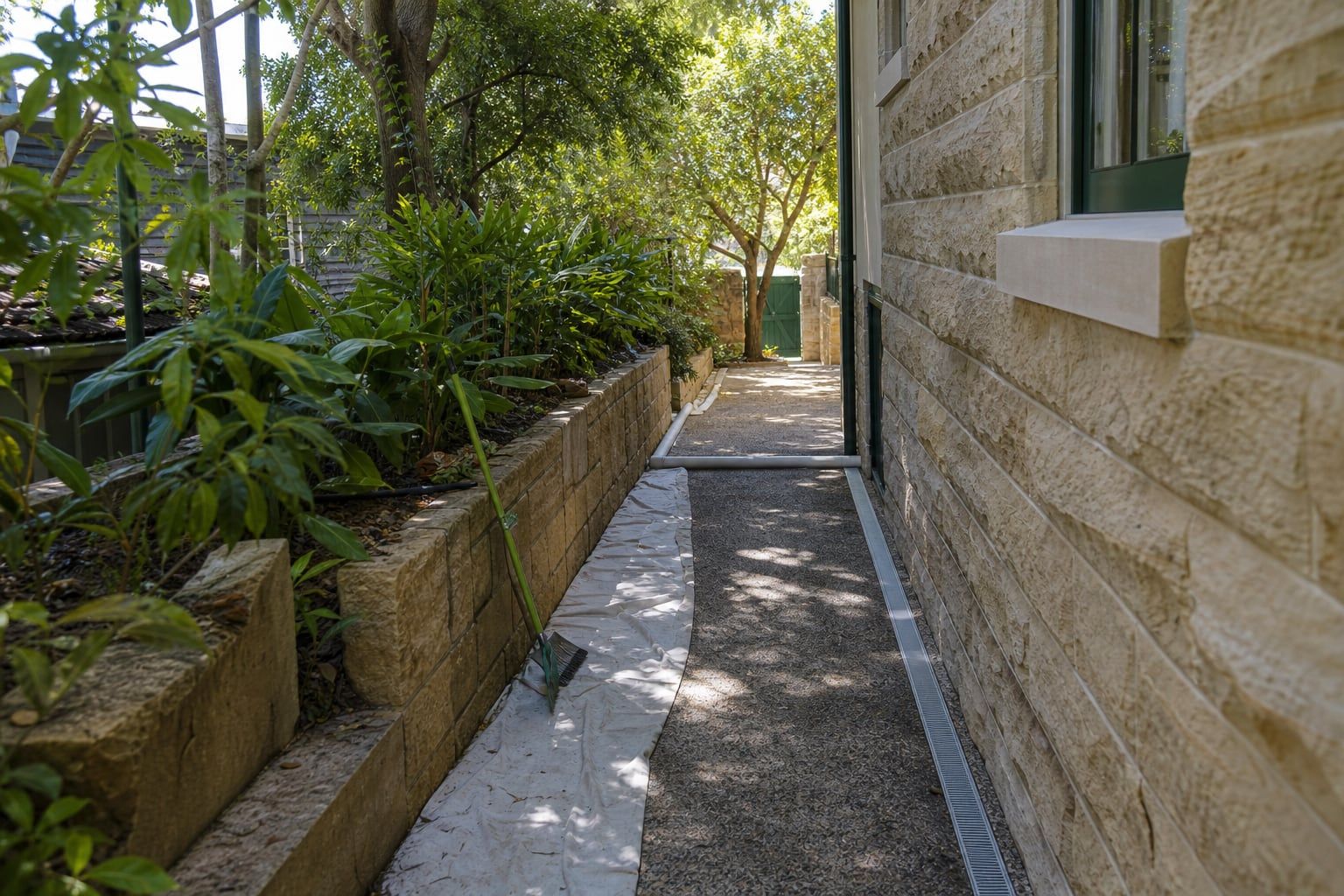
- Around the houseGutters, drains, garden beds, roots and the subfloor are checked for anything feeding the walls.
- Repair the causeA new damp course, drainage, tanking or airflow, whichever the survey pointed to.
- ReplasterSalt-damaged plaster is replaced with breathable, salt-tolerant render once the wall can take it.
Damp proofing services on the North Shore
Injected courses for brick, membranes for stone, drainage for sloping blocks and airflow under the floor.
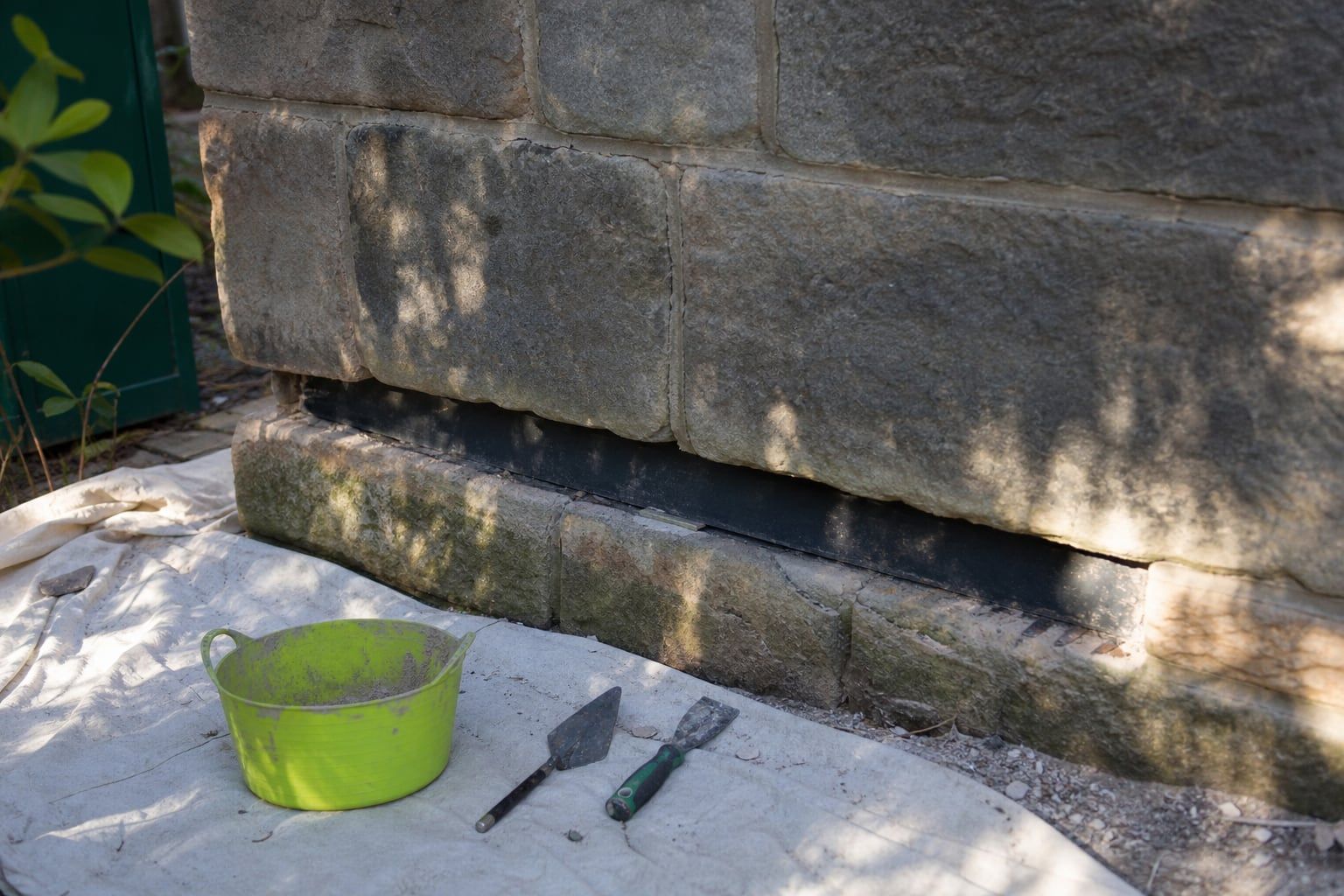
North Shore rising damp, surveyed before it’s treated
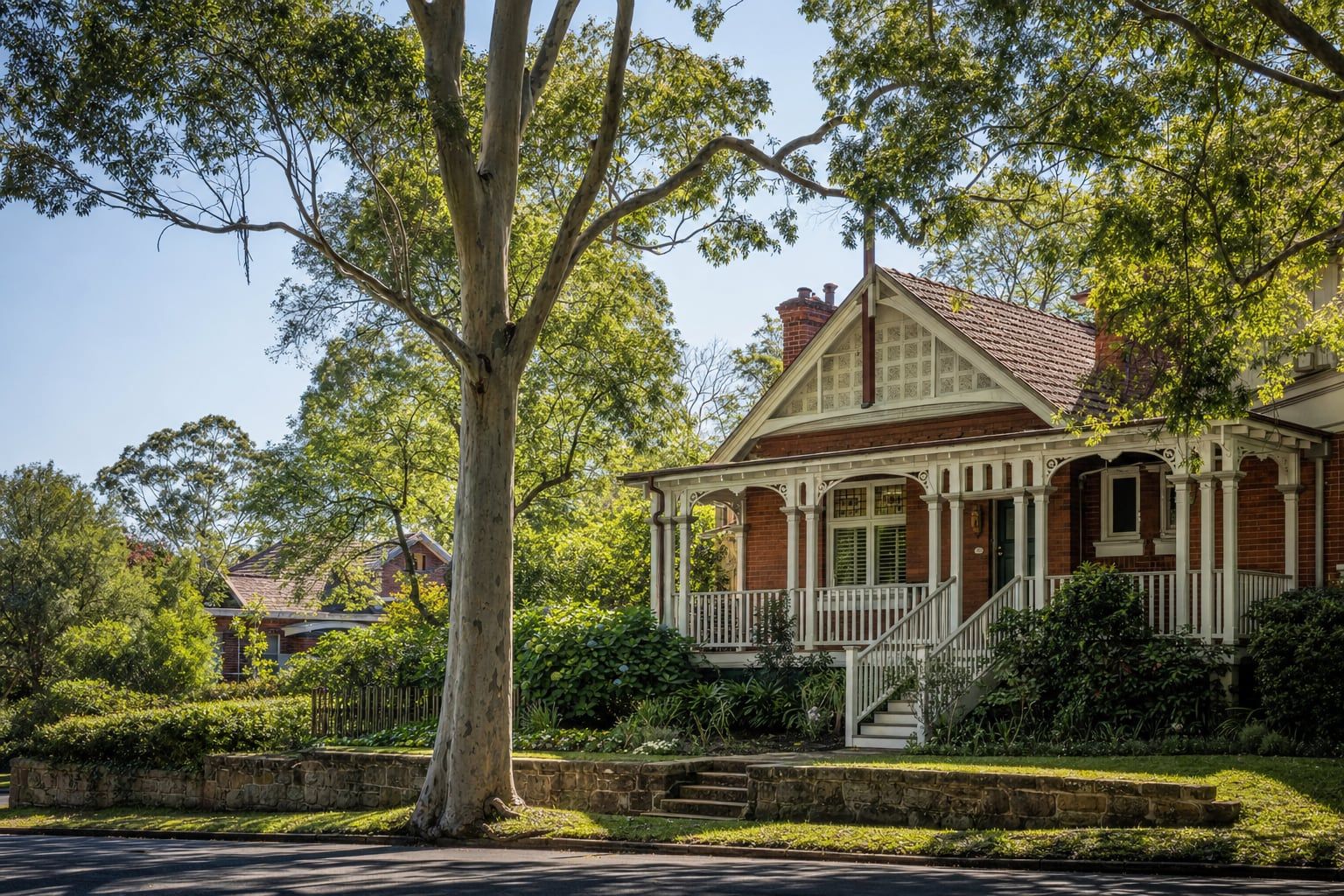
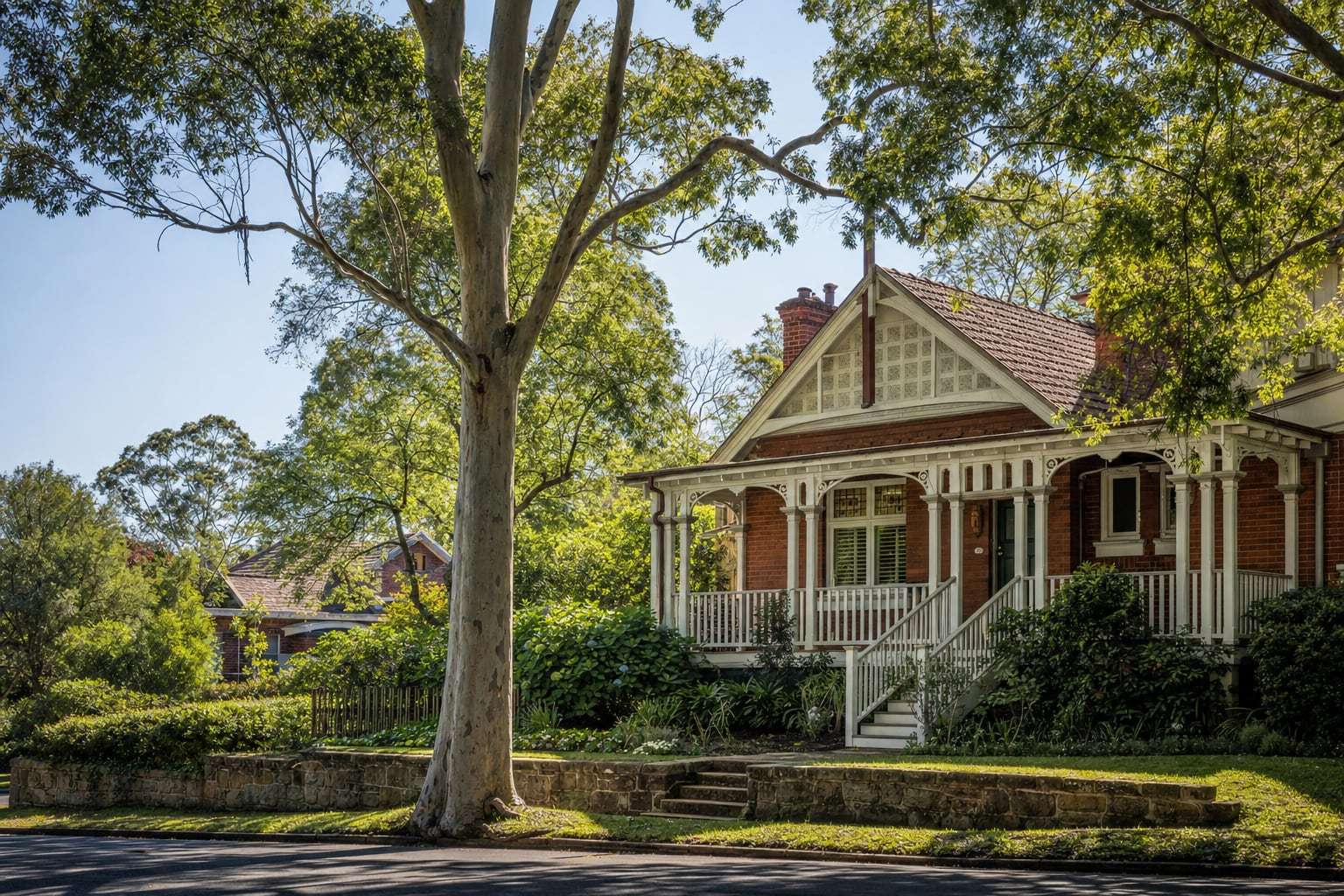
Rising damp on the North Shore is mostly a story about old houses on wet ground. The Federation and inter-war homes of Roseville, Lindfield, Killara, Pymble and Wahroonga were built with good double brick walls and damp courses of slate or bitumen. A century later, many of those courses have cracked or been buried, and the clay underneath has been feeding water into the walls ever since. Add heavy tree cover, leaf-choked gutters and sloping blocks, and it’s no surprise so many front rooms smell musty.
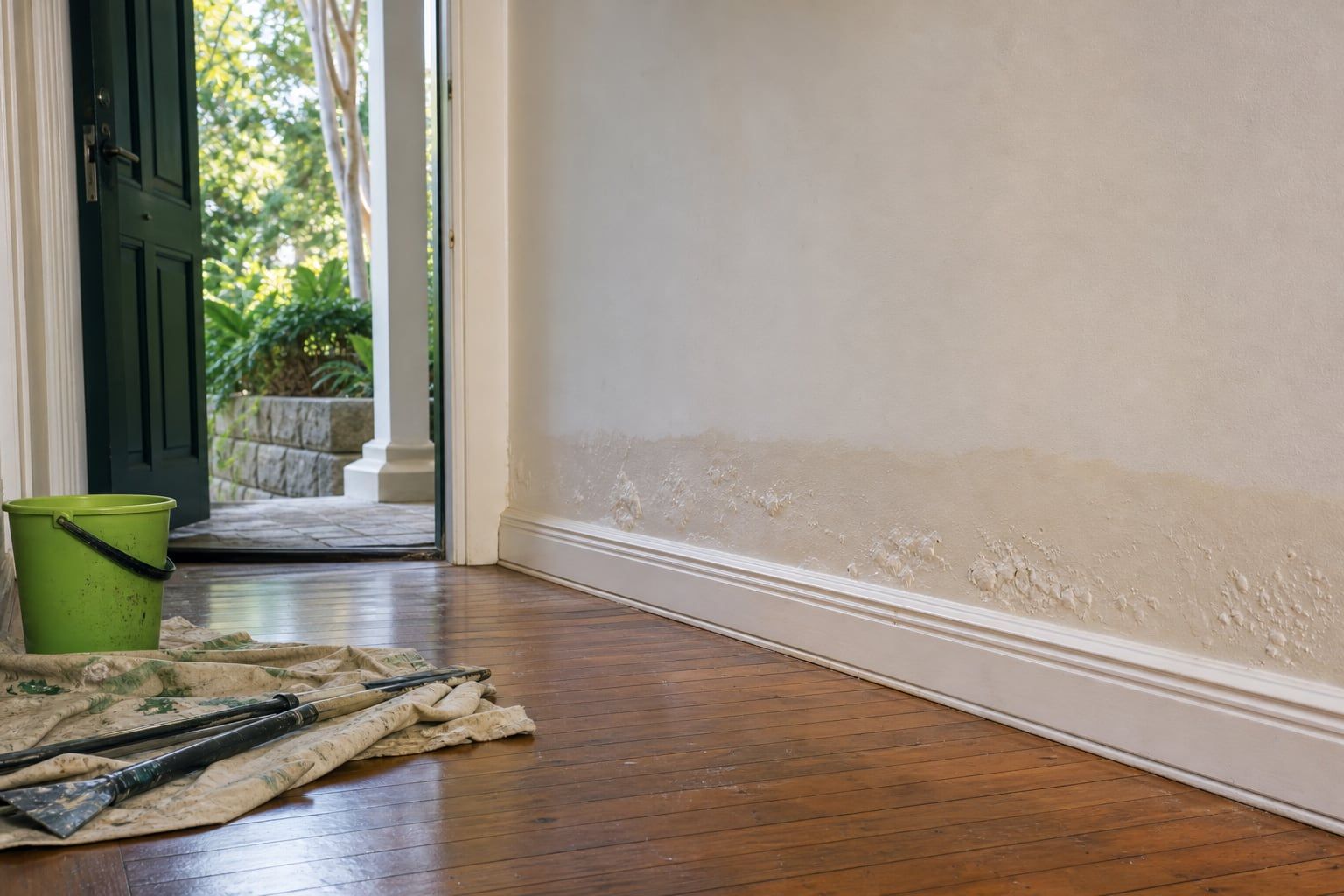
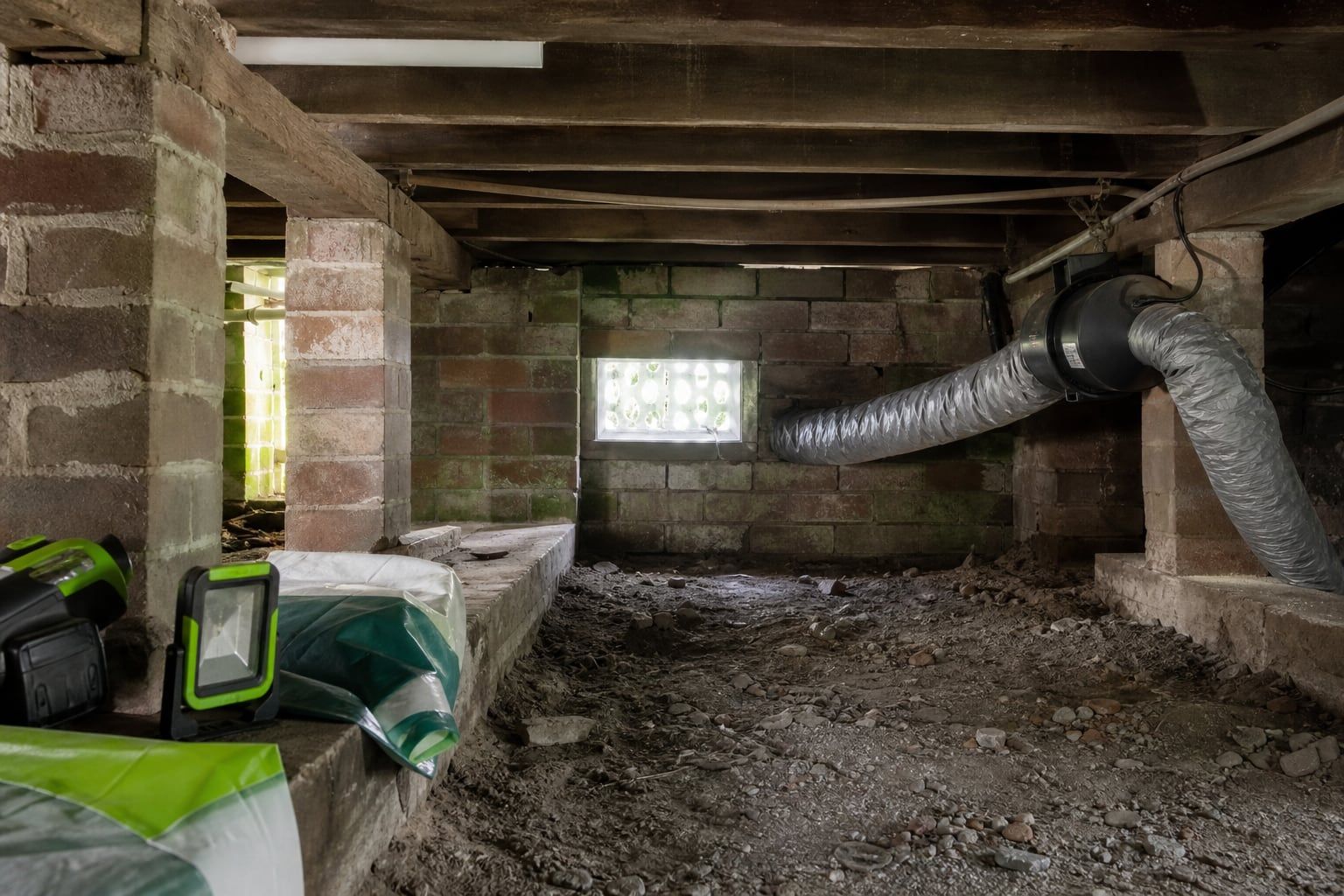
We start every job with a moisture survey. Readings go in a grid across each damp wall, so we can see the shape of the wet area. We test the plaster for salt, walk around the outside to check gutters, drains, paths and garden beds, and get under the floor where there’s a crawl space. Then we explain what’s causing the damp, in plain terms, before anything is quoted.
What we fix in North Shore homes
- Rising damp treatment covers the whole job, from survey to finished wall.
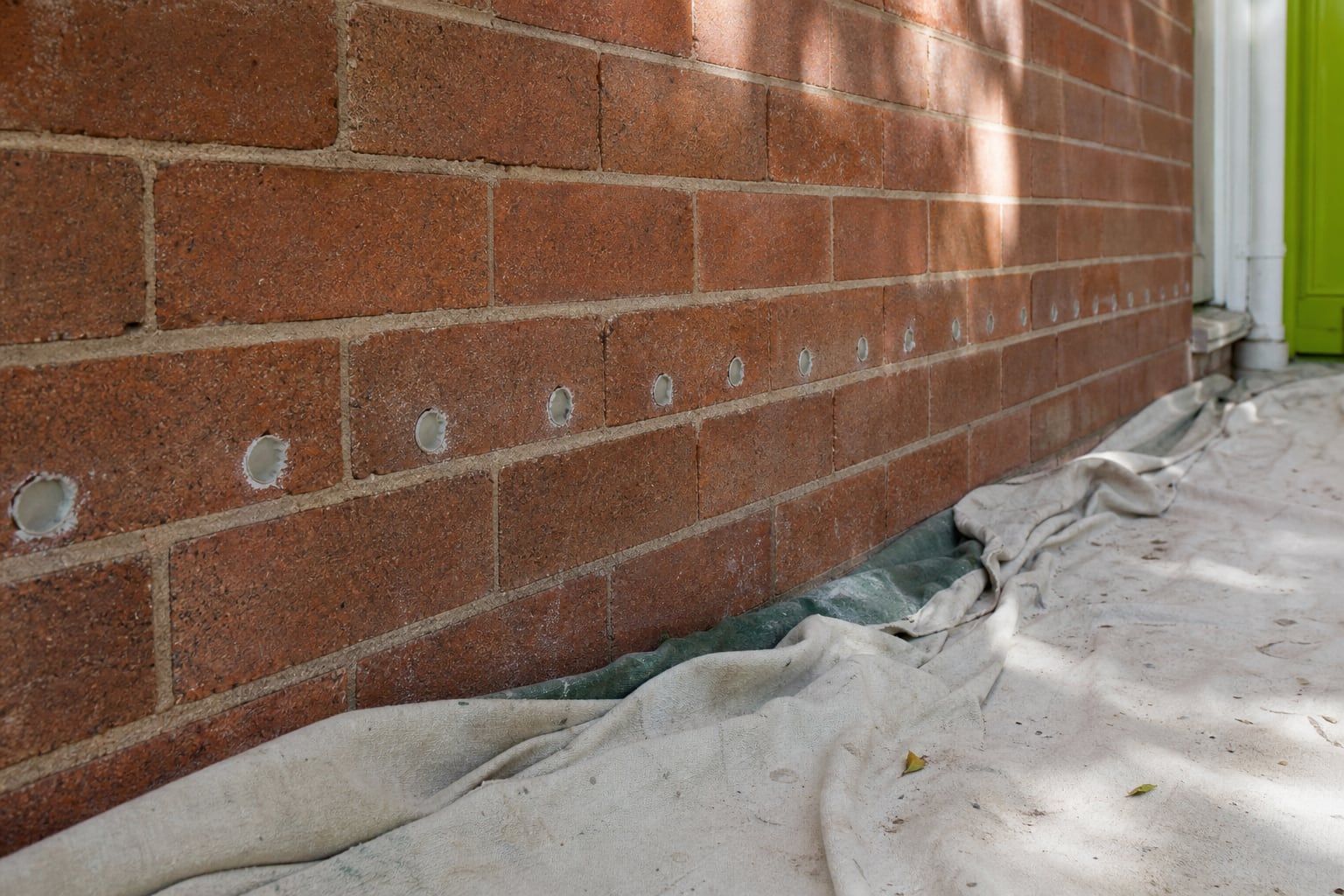
- A chemical damp course is injected into the mortar of brick walls, with both leaves treated on double brick.
- A physical damp course suits sandstone footings, rubble bases and soft early brick.
- Subfloor ventilation gets air back under timber floors, with period-style vents or quiet fans.
- Waterproof tanking and drainage deal with lower levels cut into the slope and walls with soil against them.
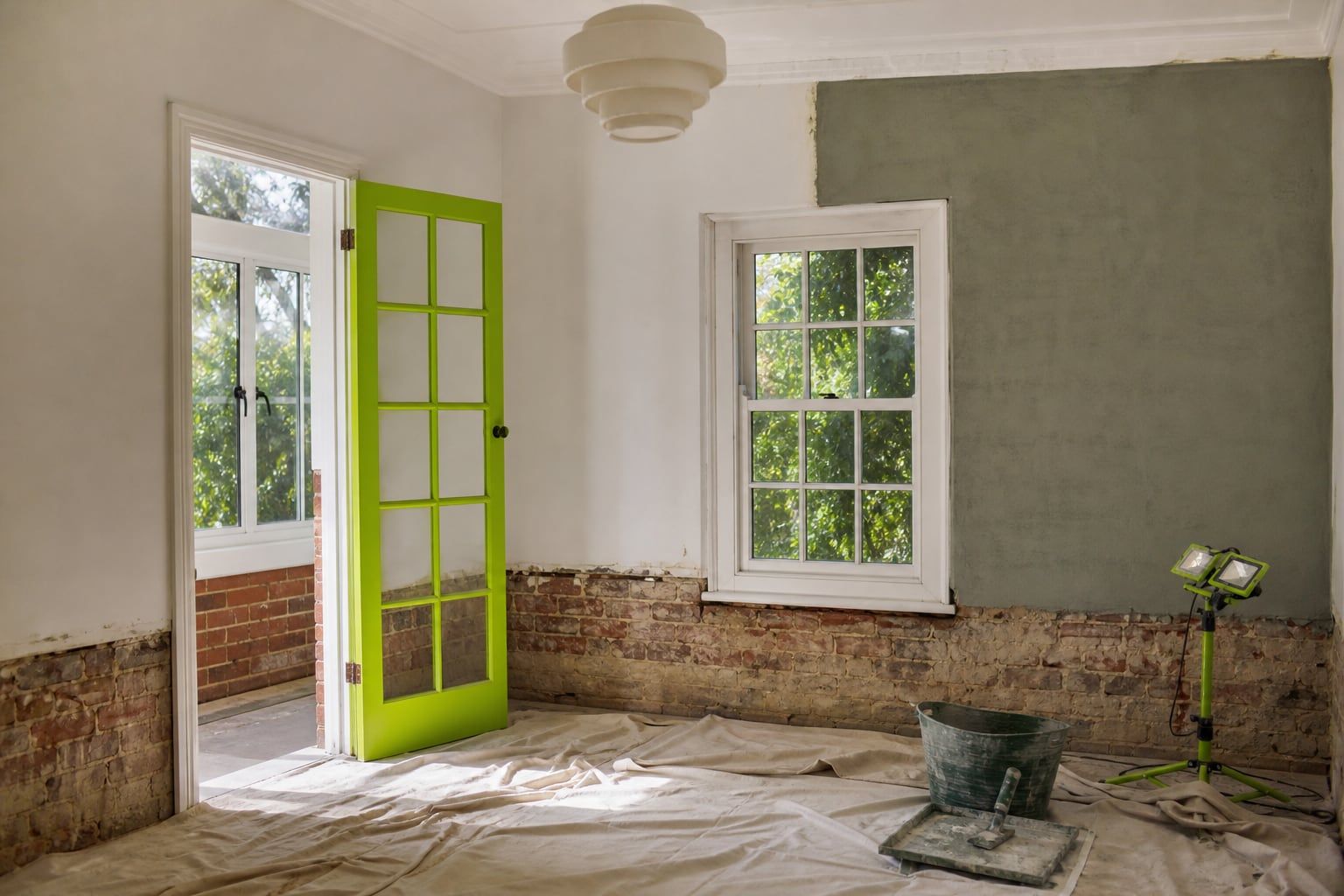
- Salt-damaged plaster repair puts back a wall you can paint.
Most houses need two or three of these, and the written quote shows which wall gets what.
What makes North Shore damp different
Clay ridges, sandstone gullies. The ridge suburbs from Chatswood to Hornsby sit on clay that holds water against footings for long periods. The lower North Shore and the gully suburbs sit on sandstone, where water runs along the rock and into any wall cut into it.
Trees. The canopy shades walls so they dry slowly, fills gutters with gum leaves and sends roots into old terracotta pipes. Our guide on shady blocks and damp walls explains how that adds up.
Age. Many houses here are over a hundred years old, with original damp courses, lime plaster and soft brick. They need methods and materials that suit them. Our guide on damp in Federation homes covers that in detail.
How a job runs
After the survey you get a written quote covering each wall, the method and the plaster repair. On the day, furniture is moved and covered, floors and period details are protected, and the barrier, drainage or ventilation goes in. Salt-damaged plaster is removed, the wall is left to dry for a time that suits it, and a breathable, salt-tolerant render goes back on, ready for paint.
Heritage houses
A lot of the North Shore is covered by conservation areas, and many houses are individually listed. We use methods that keep original brick and stone and finishes that let old walls breathe, and we can provide a written method statement for council. Our guide on rising damp in heritage conservation areas explains what to think about.
Where to start
If you’re not sure what you’re looking at, our page on signs of rising damp explains each symptom. Or send the form with your address and a photo of the wall, and we’ll book a survey.
North Shore suburbs we cover
Pick your suburb for local detail, or just call. We cover the whole North Shore.
- 19North Shore suburbs
- 6Damp repairs in one plan
- 0Extras after you sign
How we treat North Shore damp
Survey first, every time
A grid of readings on each wall, a salt test and a look at gutters, drains and the subfloor tell us whether it's rising damp, shade, slope or a broken pipe before we recommend anything.
Kind to old houses
Injection drilled into the mortar, membranes repacked with lime, breathable renders and period details protected. The method suits the wall, and we write down why.
The finish is included
Removing salt-damaged plaster and putting back a salt-tolerant render is in every quote, so the price covers a wall ready for paint.
Rising damp guides for North Shore homeowners
- Damp in Federation homes: looking after old North Shore brickworkWhy century-old North Shore houses get damp walls, what changed since they were built, and how to repair them without harming original fabric.
- Shady blocks and damp walls: why tree-covered North Shore homes stay wetHow heavy tree cover, leaf litter, roots and slope keep North Shore walls damp, and what you can do about each one.
- Rising damp in heritage conservation areas: a guide for North Shore ownersWhat to think about when treating damp in a North Shore house in a conservation area or on a heritage list, and which methods respect the original building.
Rising damp questions from North Shore owners
Something else on your mind? Call and ask.
Which suburbs do you cover?
The whole North Shore: Mosman, Cremorne, Neutral Bay, Cammeray, Wollstonecraft and Crows Nest; Artarmon, Willoughby, Chatswood and Lane Cove; Roseville, Lindfield, Killara and Gordon; Pymble, St Ives, Turramurra, Wahroonga and Hornsby.
Do you work in heritage conservation areas?
Yes, regularly. We use methods and materials that suit old masonry and can supply a written method statement if your council asks for one.
How soon can you survey my house?
Most surveys are booked within a few days. Send the form with your address and a photo of the damp wall.
My house has a damp course already. Why is it damp?
Most Federation and inter-war houses on the North Shore were built with slate, bitumen or tarred felt courses that have cracked or broken down after a century. Others are intact but have been bridged by garden beds, paths or render taken down over them.
Do the big trees on my block make it worse?
They can. Heavy shade slows drying, leaf litter blocks gutters and drains, and roots can damage stormwater pipes so water soaks into the ground beside the house. We check all of those during the survey.
Can you treat a heritage-listed house?
Yes. We use methods that keep original brick and stone and finishes that let the wall breathe. If your house is in a conservation area or listed, check with council whether the work needs approval; we can give you a written method statement to support that.